
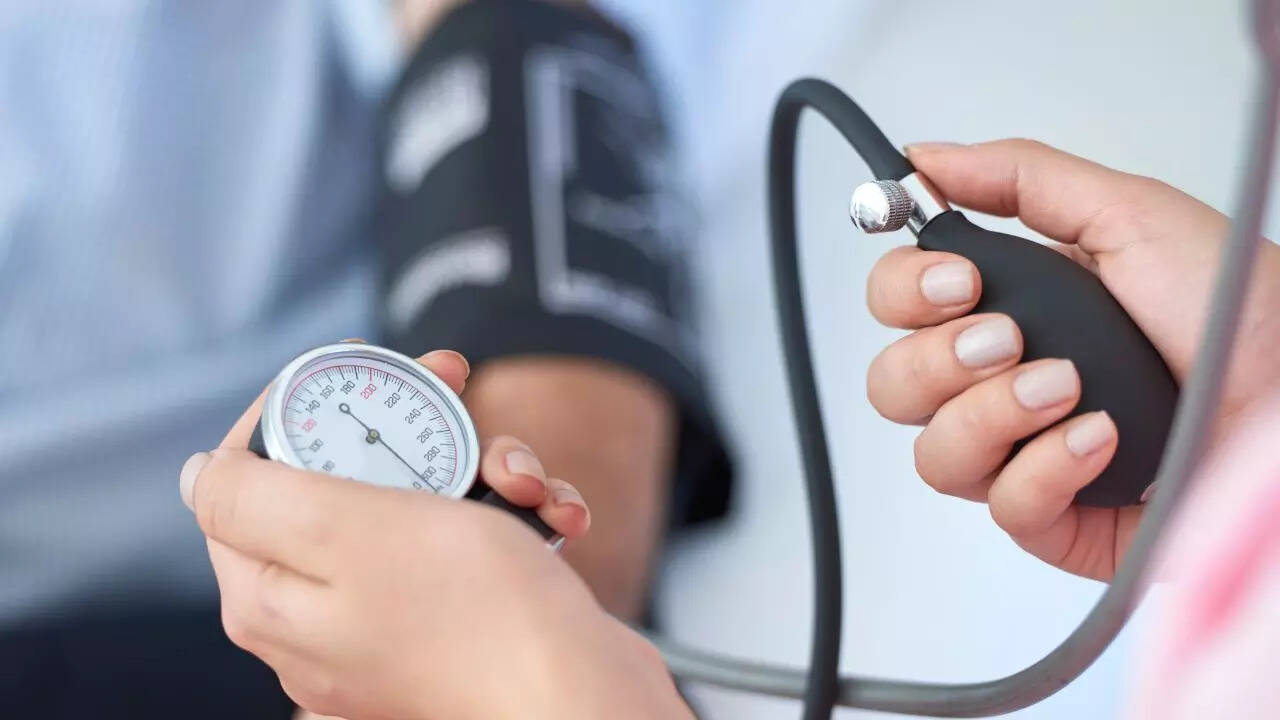


High Blood Pressure:
Doctors often call high blood pressure a silent killer. It shows very few signs, yet it can cause serious health damage if ignored. Many people experience important warning signs during the night, especially while sleeping. Health experts say these night symptoms of high blood pressure should never be ignored.
Sweating at Night
If you sweat heavily at night even when the fan or air conditioner is on, it may be a sign of high blood pressure. Continuous night sweating is not normal and may show that your heart is under pressure. If this happens often, consult a doctor immediately.
Breathing Trouble While Sleeping
Finding it hard to breathe during sleep can also be a sign of hypertension. Some people wake up gasping for air or feel pressure in the chest. This happens when high blood pressure affects heart and lung function. Ignoring this sign can lead to severe heart problems.
Frequent Night Urination
Waking up several times at night to urinate may look harmless, but doctors warn that it can be linked to hypertension or diabetes. When blood pressure stays high, the kidneys work harder, leading to more urine production at night. If this happens often, medical advice is needed.
Feeling Tired Even After Sleep
If you still feel tired after a full night’s rest, it might be connected to high blood pressure. Persistent fatigue is one of the hidden signs of hypertension. It means your body is not getting enough oxygen or rest because of pressure on the heart.
Other possible symptoms include severe headaches, dizziness, blurred vision, chest pain, or nosebleeds. If any of these occur along with the above night symptoms, do not delay in seeing a doctor. Early diagnosis helps control hypertension and prevents serious conditions like stroke, heart attack, or kidney damage.
Experts advise checking blood pressure regularly, especially for people over 40 or those with a family history of heart disease. A healthy diet, regular exercise, and stress control are key to managing blood pressure naturally.
Also Read:Net Banking vs Mobile Banking: What’s More Secure and Convenient?
 Share
Share
 Motorola’s Popular 5G Phone Gets Huge Price Drop - Don’t Miss the Deal
 Elon Musk Reveals Magic AI Trick - Turn Any Photo into a Video with One Long Press