


Sofia Ansari Viral Video Leak: Once again, assertions of an “unseen leaked video” reportedly involving influencer Sofia Ansari have created a stir on social media. Curiosity rose as hashtags spread across media; nevertheless, so did falsehood. In an era when trending trends sometimes mix reality with hype, it is imperative to investigate what is genuinely known and what is pure online hypothesis.
Rumors circulate faster than facts.
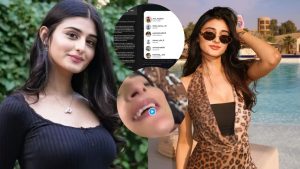
With no confirmed source and no confirmation from the influencer herself, the viral video in question came up abruptly on several channels. Screenshots and brief films were disseminated without context, as is usual in digital rumour cycles, leading many to jump to conclusions.
But a more careful look reveals most viral postings connect back to unverified accounts, edited film, or deceptive titles meant only for clicks. No reliable evidence has come forth to substantiate the claim that the supposed content includes Sofia Ansari, so it is just another instance of online inflation turned trendy topic.
Misuse and misidentification: the problem
Frequently targeted by trolls and clickbait writers is Sofia Ansari, well-known for her strong online presence. Particularly for female influencers, their pictures or videos are sometimes used inappropriately, altered, or wrongly linked to explicit content. This pattern mirrors a larger problem: many women suffer digital objectification and harassment only for having a public presence.
Misidentification not only damages reputations but also encourages a culture of voyeurism and cyberbullying. In many past instances, including influencers, so-called “leaks” were later shown to be false or made-up.
Also Read: Who is Bengali Influencer Sofik SK? Inside the Viral MMS Scandal
Reasons Online Users Need to Remain Careful
As viewers, we must challenge viral material instead of taking it at face value. Spreading unproven content violates personal privacy and supports false information. The only appropriate approach to interact with such disputes is to depend on legitimate reporting and official pronouncements.
For the time being, there is no verified reality behind the so-called “unseen clip.” Social media magnifies what already exists: speculation. Until confirmed data comes, the sensible attitude is to respect people’s privacy and dignity and refrain from propagating unproven statements.
 Share
Share
 This Week Theatrical Releases Ticket Prices Revealed: Which Movie Is Affordable?
 10 Bollywood Stars Linked to MMS Scandals