
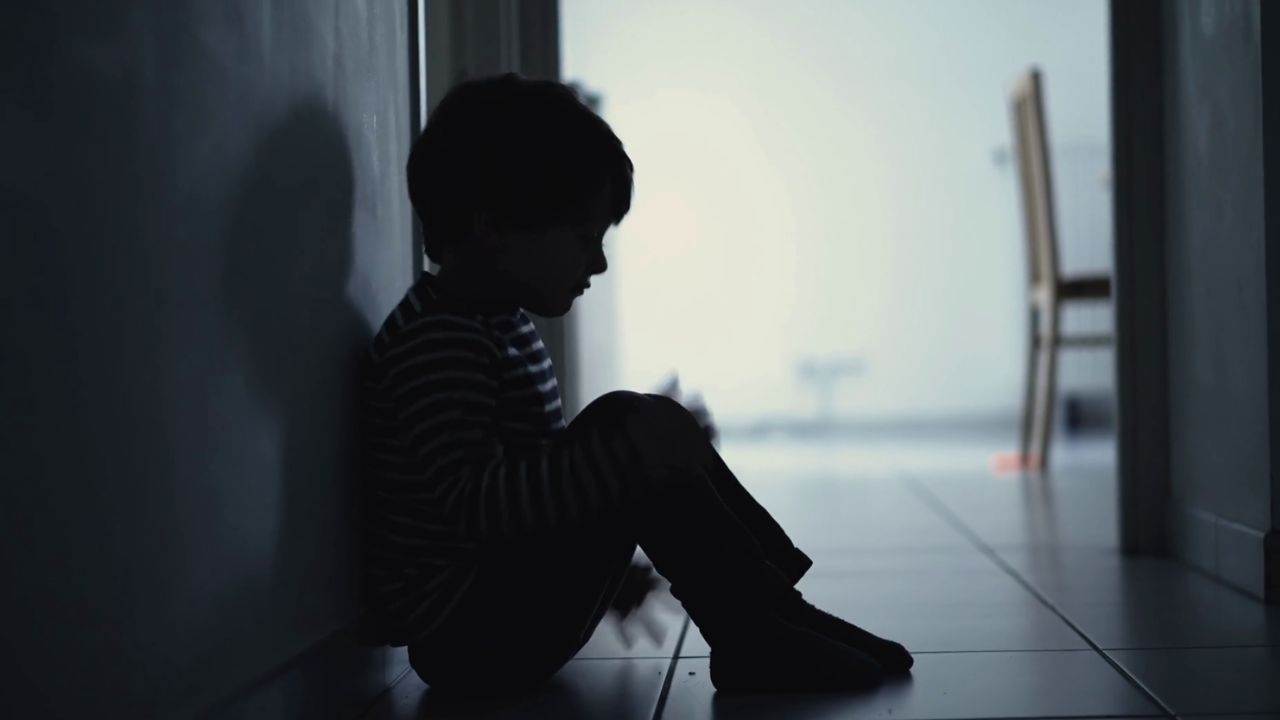


Depression in Children: Declaring the current incidence of the disorder to be “the common cold of mental disease,” the World Health Organization recognizes that everyone suffers from depression, and its most common but most neglected form of anxiety is also on the rise. From the adults, this condition has now reached out into the world of children and adolescents. “It requires sensitivity and great observation to recognize sadness in children,” says Dr. Sunny Joseph Kunnassery, founder of the Kochi Prayathna Centre for Child Development.
Unlike adults, children do not talk too much about their emotions. Hence, depression can become unnoticed unless teachers and parents choose to ignore certain conduct changes. Signs of silent suffering may include persistent melancholy, lack of enthusiasm in previously enjoyed pursuits, changes in eating or sleeping patterns, drop in school performance, self-doubt, social withdrawal, and fits of rage. Most of these appear to be inconsequential childish behavior in isolation. Their sustained quality and frequency are signs for alarm.
All available global data indicate that One out of seven adolescents has had or will have a mental disorder from the time they are 10 to 19 years old, with anxiety and depression being the most widespread symptoms. Six to 20% of children manifest depression at some time, according to various Indian studies. The situation was aggravated by the COVID-19 pandemic as it disturbed the daily life routine, increased loneliness, and promoted increasing dependence on the digital medium.
Among youngsters, several Foundations cause depression: That includes family conflicts; parental separation; exposure to substance abuse; bullying; academic pressures both in real life and online; biological predisposition; and an emotionally unsupportive environment.
It would be the family and the school as well upon early detection. Monitoring behavioral changes, listening to children non-judgmentally, creating an environment that is safe for them to express their emotions, and seeking expert intervention if need be would all be involved. Treatment of Childhood Depression can include counseling, family support, and medications when needed.
Child depression is not a small issue, but it is a social problem. It is in compassion, awareness campaigns, and enabling places that children get the means to endure and rebuild their self-worth. A little stroke of kindness can change the world for a child.
Also Read: Mental Health Guide: Emotional Exhaustion vs Laziness; Why People Misread the Signs
 Share
Share
 Phones Under Rs50K to Rs70K That Beat the OnePlus 15
 Vicky Kaushal Accidentally Reveals His Real Age, Fans Left Stunned