Prada’s Kolhapuri Chappals: Just the Latest in Fashion’s Appropriation Storm
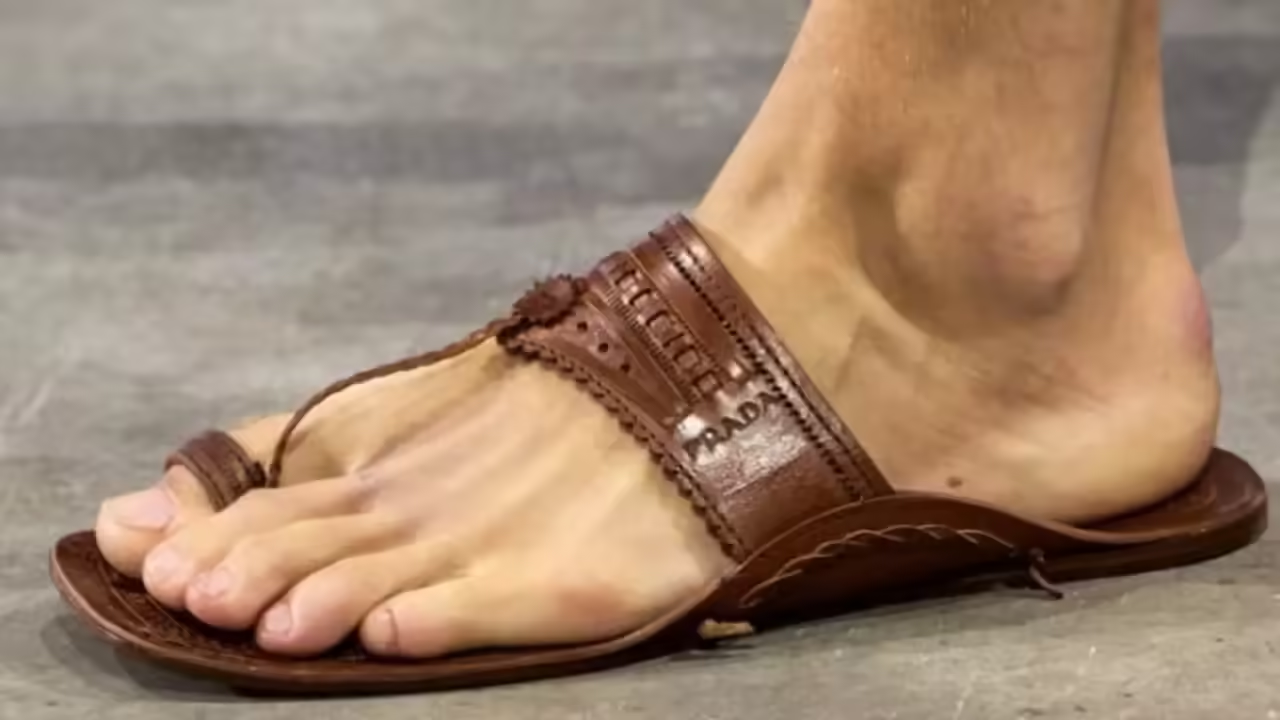
When Prada launched shoes that resembled India’s iconic Kolhapuri chappals, it sparked accusations of cultural appropriation. The backlash came swiftly, igniting debates about the fine line between inspiration and plagiarism. This incident fits into a larger pattern in the fashion industry, where global brands frequently borrow or mimic designs without considering the cultural significance behind them.
Victoria’s Secret: The Tribal Print Fiasco
In 2017, Victoria’s Secret introduced a “tribal” collection featuring designs based on Native American patterns. The collection received sharp criticism for being culturally insensitive and exploitative.
Native American groups voiced their frustration, pointing out that the brand used these sacred symbols for profit without acknowledging their cultural importance. The brand quickly faced a public relations nightmare and had to issue a forced apology.
Fashion Brand – H&M: The Nomadic Collection Controversy
H&M’s Nomadic Collection faced backlash in 2018 for using gypsy-inspired motifs and bohemian style. The brand marketed the collection as “ethnic chic,” which ignited fury among Romani communities who felt that H&M trivialized and commercialized their heritage. The collection turned the gypsy aesthetic, often linked to marginalized communities, into a trend, disregarding its deeper cultural meaning. The backlash served as a stark reminder of how fashion can exploit communities for commercial gain.
Dior: The Asian Cultural Missteps
Dior, too, faced accusations of cultural appropriation in 2018 with their “Chinese-inspired” collection. The brand was accused of misrepresenting Chinese culture by using stereotypical symbols and motifs in a Westernized context. Critics pointed out that the designs lacked depth and authenticity, reducing a rich culture to a mere trend. The criticism prompted discussions about cultural misrepresentation in global fashion.
Also read 8 Actresses Who Are Dominating the Business World in 2025
The Bigger Picture
The growing backlash against cultural appropriation highlights a key question: Who owns culture? Brands like Prada and H&M are facing increasing pressure to not only acknowledge the cultural significance of their designs but also engage with the communities they take inspiration from.
Simply apologizing after being called out no longer suffices. As consumers grow more conscious of how fashion impacts cultural identity, they will push brands to rethink their approach, driving them toward more responsible and respectful fashion practices in the future.

Share



 8 Actresses Who Are Dominating the Business World in 2025
 No Credit Score Needed: Faster Loan Approvals With New Lending System