

Bottled Water: Once upon a time, every restaurant table had a glass of free drinking water. Today, that gesture has almost completely disappeared. It has been replaced by sealed bottles handed out, with most customers being charged for them. The rejection at times feels inappropriate or rude and somewhere along the history line, all the free water disappeared, leaving us with a small hidden commercial habit that we have all abided by.
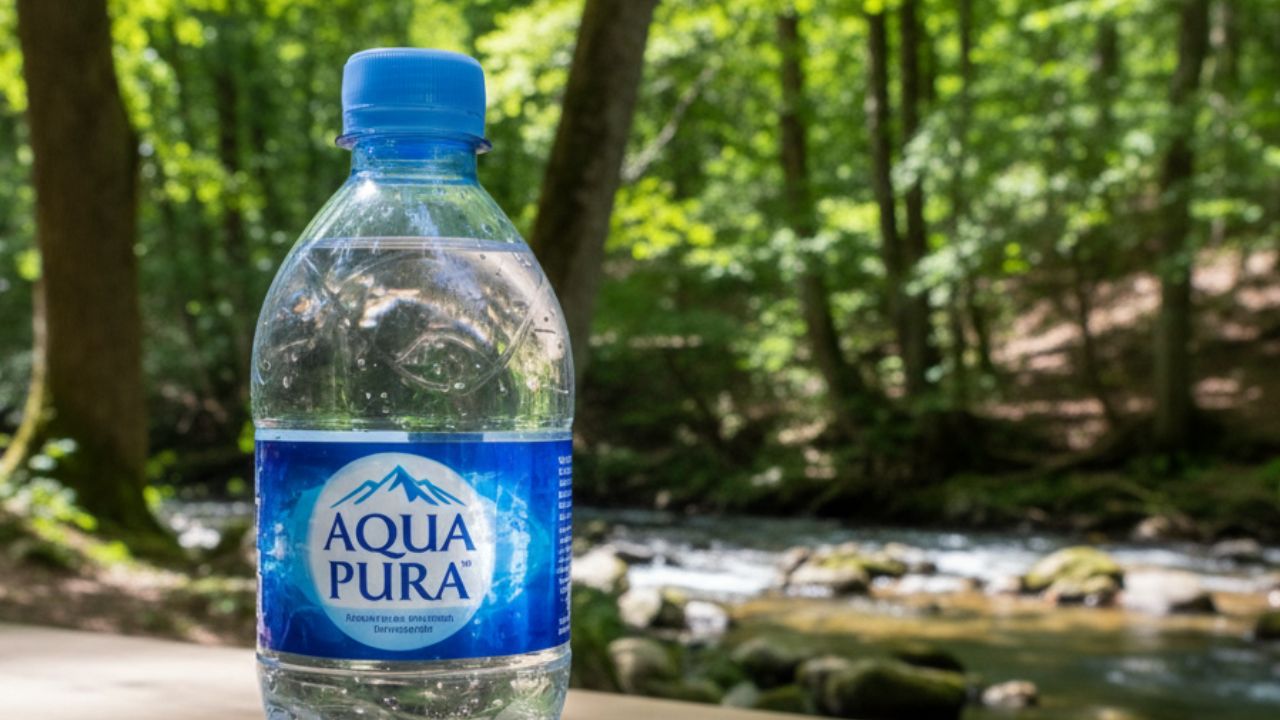
There has been a great perceptive shift in this. Tap equals germs, bottle, in contrast, equals safety — that is the notion they sold to the point of commonplace. What most diners probably still do not know is that most restaurants have RO purifiers fitted in their kitchens. However, these machines are not visible, whereas bottled brands proudly flaunt their beautiful blue labels like symbols of purity and trust.
Menus also started playing their roles – “RO water free of cost on demand,” written in the smallest possible print, while “Mineral Water Rs. 20” stood out boldly. Over the years, this trick-of-vision made bottled water not only an available default but a default choice. Even delivery apps joined in – quietly adding Rs. 20 bottles to Swiggy or Zomato orders, knowing most wouldn’t bother to remove them.
Sealed denotes ‘safe’; opened indicates ‘risky.’ Package definition of cleanliness made the customers running furthest from regular water. Another generation grew, however, never to question it-they thought it was just normal to pay for water. In fact, nothing ever changes about the water within: only the selling process was different, transforming a simplistic courtesy into a subtle, profitable illusion.
Also Read: This One Morning Drink Can Stop Hair Fall and Boost Hair Growth
 Share
Share
 Lifesaver on the Wrist: Smartwatch Calls Ambulance for Unconscious Driver After a Crash
 300 Kg of Explosives Still Missing: Is India Still Under Threat?