
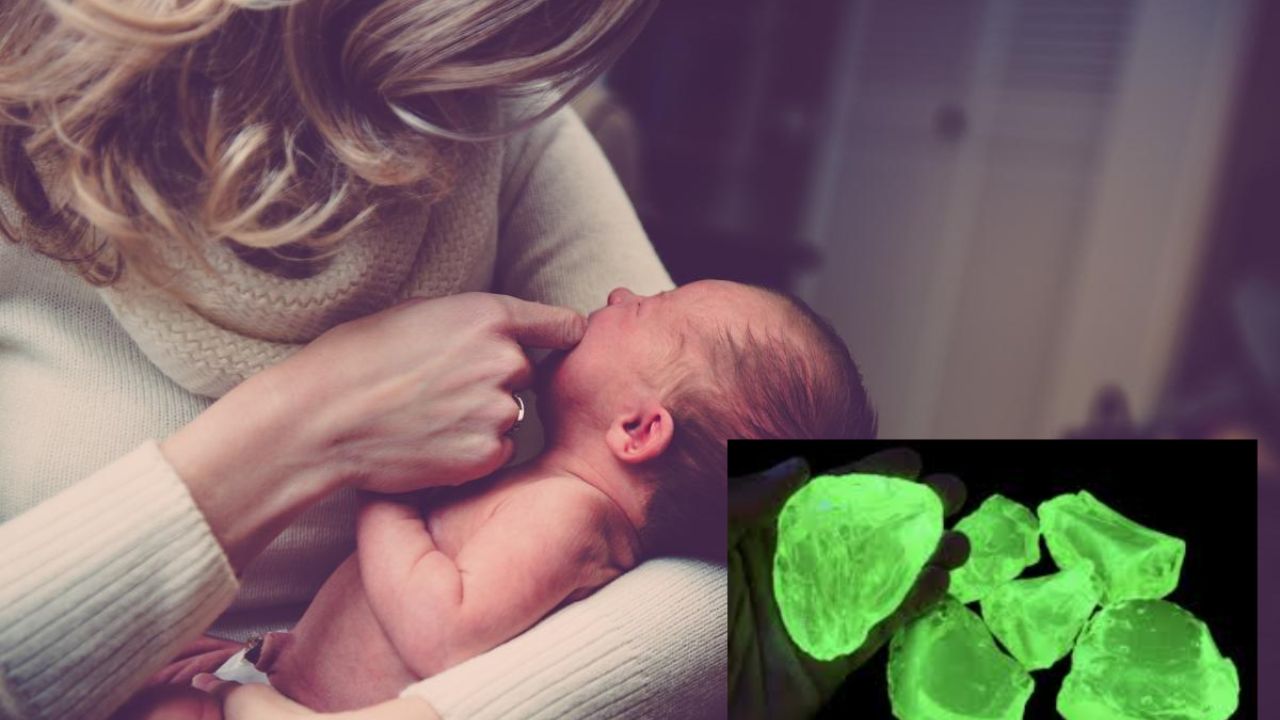


Uranium Found in Breastmilk: Alarming quantities of uranium (U-238) have been found in the breastmilk of nursing women in many Bihar districts, according to a recent study, which raises grave worries about possible health dangers to infants. Researchers from several institutions caution that nursing may expose young children to uranium, which could have serious non-carcinogenic health impacts.
In cooperation with AIIMS, New Delhi, headed by Dr. Ashok Sharma from the Department of Biochemistry, the study was carried out by Mahavir Cancer Sansthan, Patna, under the direction of Dr. Arun Kumar and Prof. Ashok Ghosh.
Uranium Levels Found in Katihar District from Bihar:
After analyzing breastmilk samples from forty nursing mothers in various Bihar regions, researchers found uranium (U-238) in each sample, with quantities ranging from 0 to 5.25 g/L. The district of Katihar had the highest levels.
Due to their bodies’ low ability to remove uranium, newborns are particularly vulnerable, according to the health risk assessment. According to the study, approximately 70% of newborns exposed may experience non-carcinogenic health effects.
Granite and other rocks contain uranium, a naturally occurring radioactive metal. In addition to human activities, including mining, burning coal, emissions from nuclear businesses, and the use of phosphate-based fertilizers, it can enter groundwater by natural leaching.
Risks Posed for infants: Research study
“The study analyzed breast milk from 40 lactating mothers and found uranium (U-238) in all samples,” stated co-author Dr. Ashok Sharma of AIIMS Delhi. The overall uranium levels were below allowable limits and are anticipated to have little actual health impact on both mothers and infants, even though 70% of infants exhibited a possible non-carcinogenic health risk. Khagaria district had the highest average contamination, while Katihar district had the highest individual value.
Also Read: 10 Indian Celebrities Who Have Openly Identified as Atheists
Breastfeeding is still the best way to nourish a newborn, even though uranium exposure may have negative effects on brain development and IQ. According to the study, 70% of the newborns had HQ > 1, suggesting that uranium exposure through breast milk may provide non-carcinogenic health hazards. Long-term exposure to uranium may have an impact on an infant’s kidney development, neurological development, and cognitive and mental health consequences (such as low IQ and neurodevelopmental delay).
However, the study still indicates that the real impact on baby health is probably negligible and that the majority of uranium ingested by mothers is eliminated predominantly through urine, not concentrated in breast milk, based on the detected uranium concentrations in breast milk samples (0-5.25 ug/L). Thus, unless a clinical indication indicates differently, breastfeeding is still advised,” he stated.
 Share
Share
 10 Indian Celebrities Who Have Openly Identified as Atheists
 Did Vijay Varma Confirms His Relationship With Fatima? Romantic Pics Goes Viral