
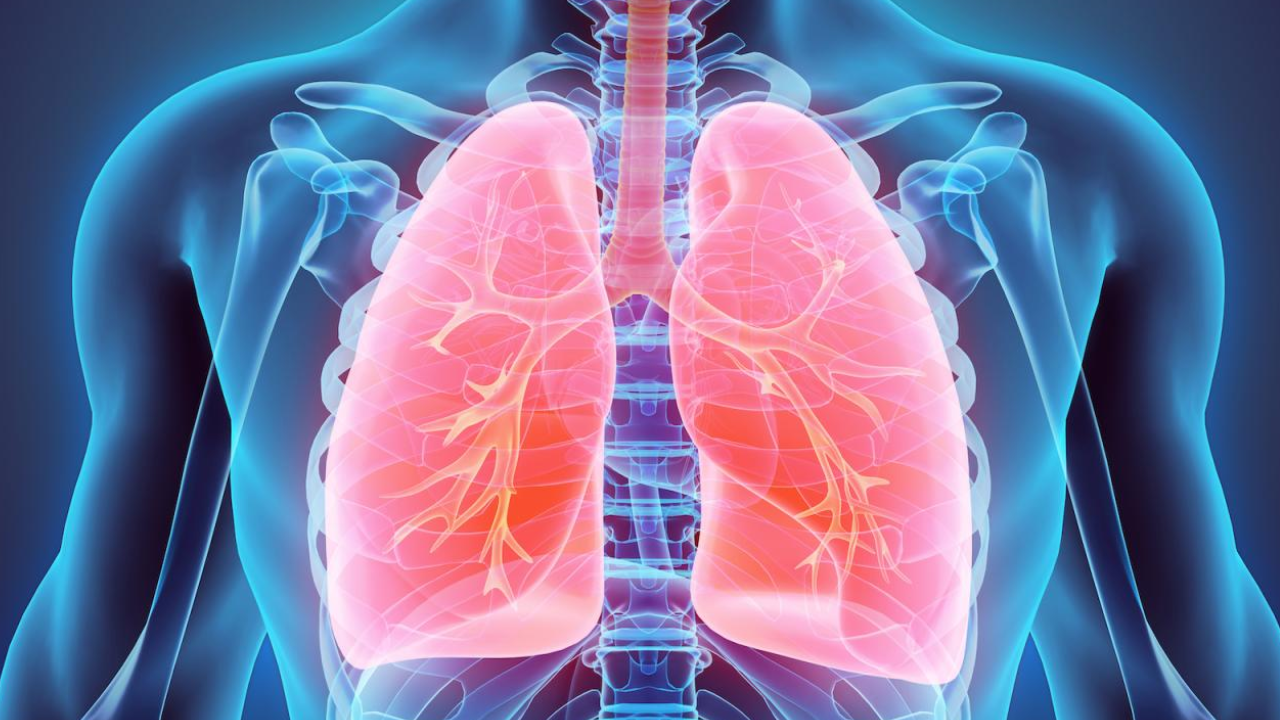


What is COPD? 8 Interesting Facts about This Lungs Disease. For very many years, chronic obstructive pulmonary disease (COPD) has been a long-lasting condition affecting the lung and gradually causing difficulties in breathing. This goes with low development at an early stage, and with appropriate awareness and lifestyle behavior changes, the negative impacts will be reduced. Here are eight interesting facts that explain what COPD is, what causes it, and how it will affect one’s health.
1. COPD: an Umbrella Term for Two Conditions
COPD actually incorporates chronic bronchitis and emphysema. It is two lung diseases that block airflow. While the chronic bronchitis inflames the air passages, emphysema damages the air sacs.
2. The Cause Is Long-Term Exposure to Irritants
Though smoking is still the most important reason, atmospheric pollutants, secondhand smoke, occupational dust, and chemical fumes also induce development of COPD.
3. Symptoms Progress Slowly Over Years
Usually, people do not notice the signs until the disease has advanced. Frequent coughing, shortness of breath, wheezing, and fatigue are early symptoms.
4. COPD Is One of the Most Preventable Diseases
Exercising, stopping smoking, and less exposing to air pollutants can very much reduce recurring risk. Simple lifestyle changes can possibly improve the prognosis of those already diagnosed.
5. Increasingly Affected by Women
Women have recently seen numbers increased with regard to COPD. This is attributed to an increase in smoking rates historically, as well as a higher propensity to lung damage.
6. COPD Affects More Than the Lungs
It becomes quite diagenic within the body. If untreated, these include weight loss, swelling in legs, anxiety, depression, and cardiovascular complications.
7. Marvels of Pulmonary Rehabilitation
It consists of exercise training, a breathing technique, nutrition guidance, and counseling. It helps improve lung capacity and overall quality of life in COPD patients.
8. Early Diagnosis Makes a Big Difference
COPD could be detected early through a simple spirometry test. Early detection of the disease helps prevent disease progression and improves long-term outcomes.
Also Read: Best Glow Face Packs for Radiant, Healthy Skin
 Share
Share
 Never Ignore These 5 Early Symptoms Of Brain Stroke
 8 Best Feel Good South Indian Movies for Weekend Marathon