
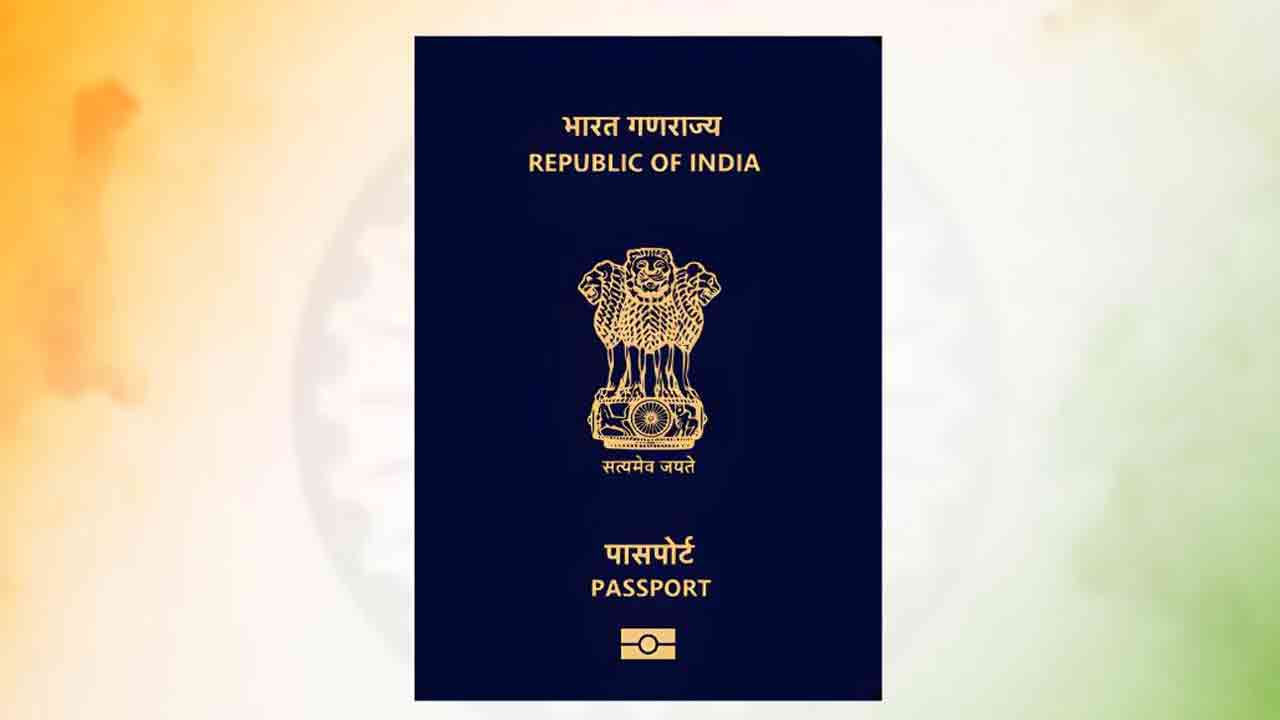


Indian E-Passports Guide: With more technologically driven travel from every part of the world, nations all over the world are coming together in embracing e-passports in a bid to enhance security, efficiency, and verification at borders. The e-passports also differ from ordinary passports in that they contain embedded electronic components, making them uncounterfeitable and fraud-free. Let us find out how the next-generation passports work and why they are sweeping the world of international travel, beginning with how they work.
A biometric passport e-passport is a standard passport with the inclusion of electronic features. An e-passport contains an RFID chip and antenna, and securely stored are the owner’s biometric and personal data like fingerprints and facial characteristics.
The gold symbol located on the cover of the passport ensures that it is an e-passport. And can electronically and securely authenticate at airports, checkpoints, etc.
It is issued temporarily by the state to travel abroad.
E-passports employ numerous layers of protection to prevent identity theft and copying. The key security features are:
Basic Access Control (BAC): Prevents unauthorized access to the biometric information stored on the chip.
Passive Authentication (PA): Verifies digital signatures, allowing passports to be tampered with.
Extended Access Control (EAC): Prevents access to the biometric information, with only approved officials being permitted to authenticate fingerprints and facial information.
1. Reduced Immigration Clearance Time
The e-passport holders can be cleared through automated e-gates, avoiding the waiting time of passengers at airports and enabling border control procedures to be quicker.
2. Increased Fraud Protection
Biometric data is stored electronically and in encrypted form in e-passports. And reduces chances of such data being copied or reproduced illegally, thereby ensuring safer and more secure world travel.
3. Global Standardisation
E-passports are based on International Civil Aviation Organization (ICAO) standards. And enable convenient ease in verification at the border crossing points of participating nations.
Citizens can apply for an e-passport on their national official government passport website or book an appointment to a passport center for registration of biometric data. The process usually involves:
Payment and Booking
Gathering and Verification of Biometric Data
Tracking of Application Status
Also Read: Updated Indian Passport Rules 2025: Key Updates and Required Documents
Indian E-Passports Guide are revolutionising travel abroad by ushering in more security, less fraud risk, and rapid immigration clearance. As additional states come on board, international travelers can expect an easy ride and safe global travel in the near future.
 Share
Share
 Telugu States Set for Theatre Shutdown from June 1: Here's Why
 India Withdrawal from Asia Cup 2025: Here's Why