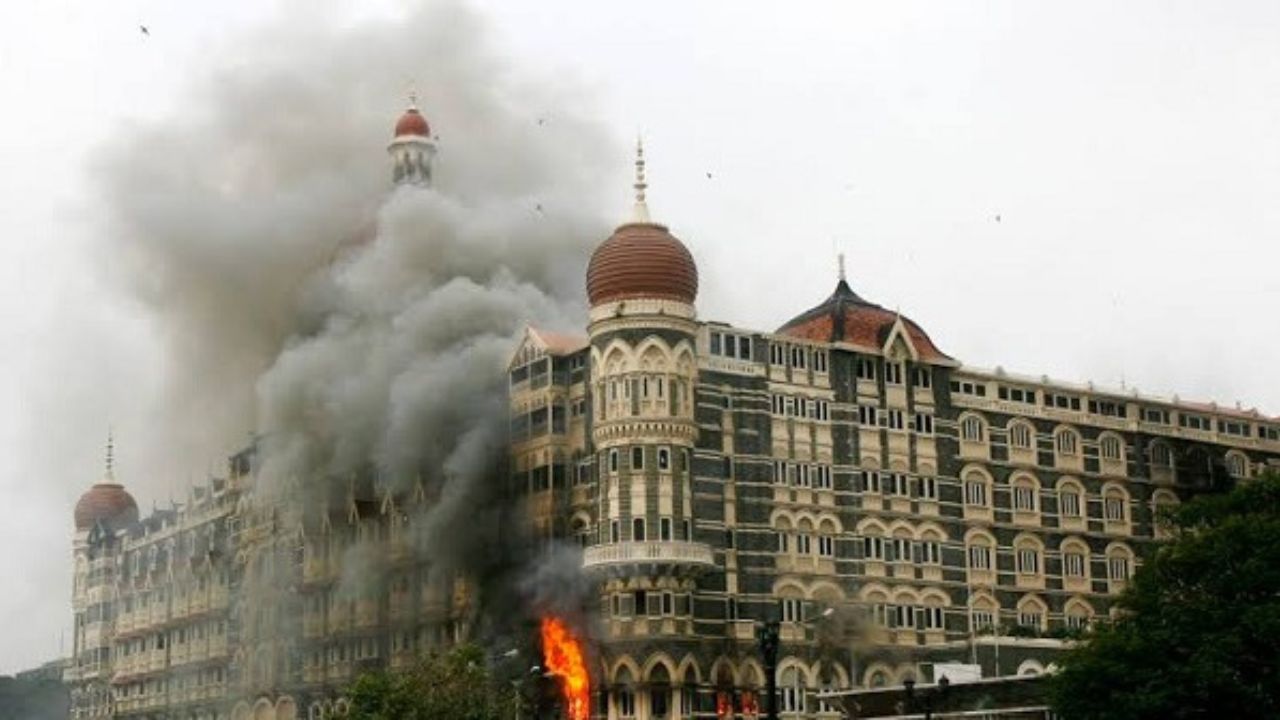


26/11 Mumbai Attack: India’s one of the darkest days in its history, the 26/11 Mumbai Attacks. The Mumbai attacks, which were on November 26, 2008, where a group of heavily armed terrorists who attacked major parts of Mumbai, which was completely coordinated among them for mass destruction in the financial capital. These attacks took place in the Taj Mahal Palace Hotel, Oberoi Trident Hotel, Nariman House, CST railway station, and Leopold Café. This terror attack made everyone scared in the entire country, and this caused massive destruction. These attacks lasted for almost 60 hours.
Immediate Police Action:
The first time the attack was reported, after the initial gunshots were fired at the CSMT station. Mumbai police have responded immediately and gone to the site. Unfortunately, most of the police men were unarmed and were carrying very basic weapons. It was reported that they tried to stop those terrorists and save civilians. During this fight between terrorists and police officers, several officers, like ATS Chief Hemant Karkare, Additional Commissioner Ashok Kamte, and encounter specialist Vijay Salaskar. The untold story here is, this quick action by the police officers delayed the terrorists get delayed by their plan and gave some time for extra forces to arrive.
Deployment of NSG Commandos:
As the scale of the attack became clear, the government deployed the National Security Guard (NSG), India’s elite counter-terrorism force. NSG commandos were flown from Delhi to Mumbai and launched “Operation Black Tornado.” Their mission was to rescue hostages, neutralize terrorists, and clear the buildings. The NSG played a major role in ending the siege at the Taj, Oberoi, and Nariman House.
Role of Marine Commandos (MARCOS):
The MARCOS unit of the Indian Navy also joined this operation, especially at the Taj Hotel: it helped rescue trapped guests and guided people towards the exit points for safe passage while assisting the Mumbai Police. In the initial hours of the attack, their presence has increased the security, and the rescue operation was a bit safer than earlier.
Also Read: Jubilee Hills Bypoll Elections: Result Date and Time Announced
Hospitals and Emergency Services: As per the reports, throughout this terror attack, almost every hospital and all the emergency services worked nonstop for those 60 hours. Apart from that, ambulances were deployed right away at the incident site to rescue the civilians. The untold story here is volunteers, and the hotel staff played a big role in helping people escape safely.
Public Cooperation: The citizens of Mumbai acted with great bravery. People were helping each other find shelter, donating blood, and informing the police of important information. Amidst all the fear, the city was strong and united in support of the victims.
Security Reforms After this Incident: Since the attacks, India has made serious adjustments to strengthen national security. Coastal security was tightened, NSG hubs were established in big cities, and intelligence coordination became tighter. Such an attack must never happen again.
 Share
Share
 Who Is Girija Oak? Internet Latest Sensation Net Worth Revealed
 3 Roses Season 2 Release Date Revealed: Can It Match Season 1 Hype?