
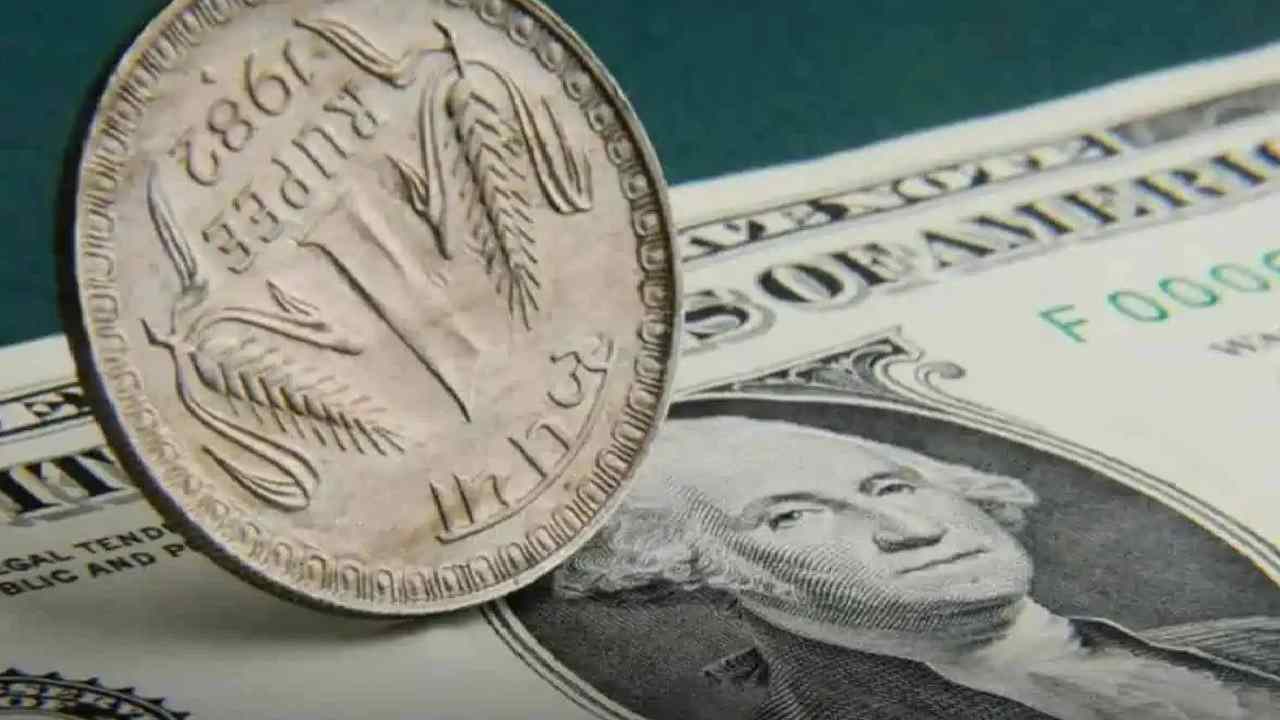


Rupee Falls to Record Low:
The Indian rupee reached its weakest level ever against the US dollar, crossing the 89 mark for the first time. This sharp fall was the biggest single-day drop seen in more than three months. During trading, the rupee slipped close to 89.50 before settling slightly lower, showing strong pressure on the Indian currency.
One of the main reasons for this fall is weak sentiment in both Indian and global markets. When investors feel uncertain, they move their money to safer options like the US dollar. This increases the demand for dollars and reduces the value of the rupee. At the same time, the US dollar became stronger due to global economic signals, adding more pressure on the Indian currency.
The stock market also showed signs of worry. Major indices like the Sensex and Nifty traded in the red, reflecting a cautious mood among investors. When stock markets fall, foreign investors often pull out their money, which further weakens the local currency. Although some foreign investors made purchases recently, the overall outlook remained careful.
Another factor affecting the rupee is the performance of India’s core industries. Growth in important sectors such as coal and electricity slowed down, while only a few areas like steel and fertilisers showed improvement. Slower industrial growth can make investors nervous about the country’s economic strength, leading to reduced confidence in the currency.
Oil prices also play a role in the rupee’s movement. Even though crude oil prices dipped slightly, India depends heavily on imported oil. A weak rupee makes these imports more expensive, which can increase costs for businesses and raise inflation.
For common people, a falling rupee can have both direct and indirect effects. Imported goods such as electronics, fuel, and some food items may become costlier. Travel abroad can also become more expensive. However, a weaker rupee can benefit exporters because Indian products become cheaper for buyers in other countries.
The sudden drop in the rupee shows how sensitive the currency is to global conditions, market trends, and economic data. Experts say the situation may improve if global markets stabilise and domestic growth picks up.
For now, investors, businesses, and policymakers will closely watch the rupee’s movement. Stable economic planning and strong financial measures will be important to support the currency and reduce the impact on the overall economy.
ALSO READ: IAF Tejas Fighter Jet Crash at Dubai Air Show: What Happened and What We Know So Far
 Share
Share
 Doctor Dance With Woman in Hospital: Video Goes Viral
 5 Important Things to Know Before Colouring Your Hair for First Time