
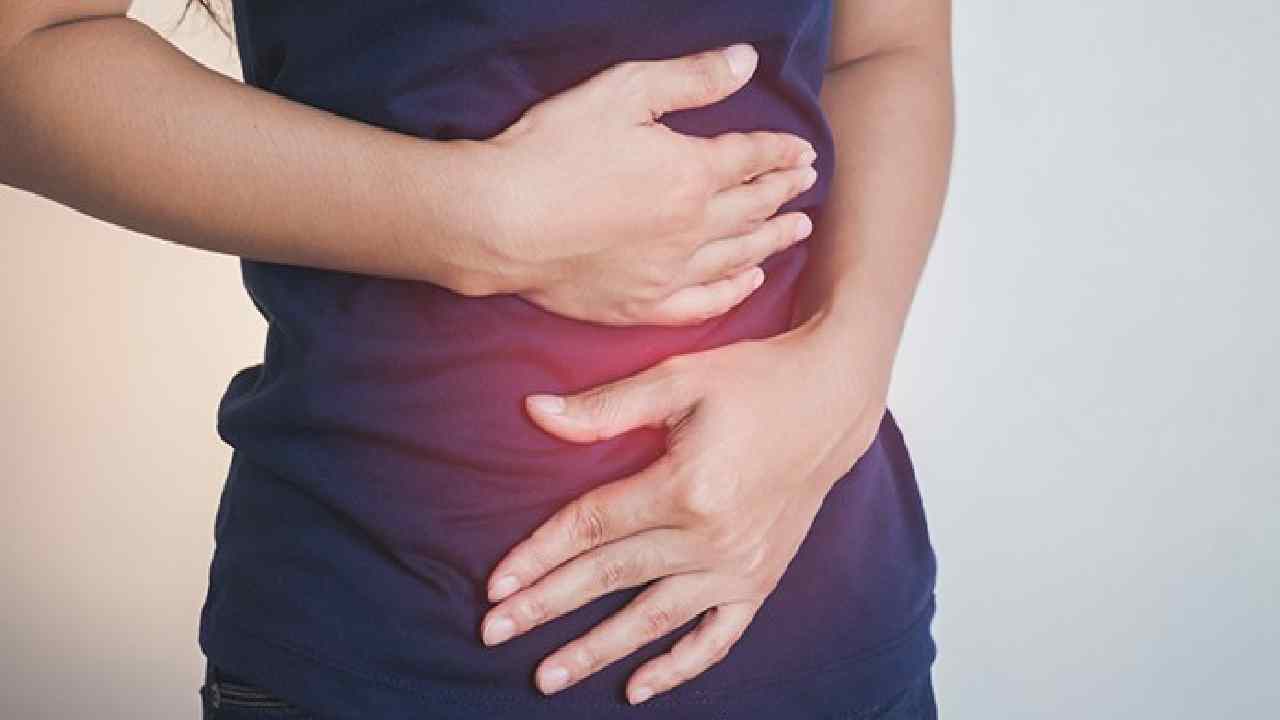


Stomach Pain and Bloating After Eating:
Many people feel uncomfortable after eating. Some feel pain in the stomach, while others feel tightness or bloating. This problem should not be ignored, especially if it happens often. Here are the Top 5 common reasons why you may experience stomach pain and bloating after meals.
When you eat very fast, you swallow more air along with food. This extra air gets trapped in the stomach and causes bloating and pressure. Fast eating also makes it hard for your stomach to digest food properly, leading to pain and discomfort.
IBS is a common digestive disorder that affects the intestines. People with IBS often feel stomach cramps, bloating, gas, constipation, or loose motions after eating. Stress and unhealthy food habits can make IBS symptoms worse.
Very spicy and oily foods can irritate the stomach lining. Fried items, junk food, and heavy meals are difficult to digest and may cause burning, pain, and swelling in the stomach area.
Some people cannot digest certain foods like dairy, gluten, or high-sugar items. This condition is called food intolerance. It can lead to bloating, stomach pain, nausea, and sometimes diarrhea after meals.
Mental stress directly affects digestion. When you are anxious or tense, your stomach may produce more acid, which can cause pain, acidity, and a bloated feeling after eating.
Eat slowly and chew your food well
Drink plenty of water
Avoid overeating
Reduce spicy, oily, and processed foods
Include fibre-rich foods like oats, vegetables, and fruits
Take short walks after meals
Manage stress through relaxation or meditation
If your symptoms continue for several weeks, it is important to consult a doctor. Early care can prevent serious digestive problems and help you feel more comfortable every day.
ALSO READ: Top 5 Easy Diet Changes for Better Heart Health
 Share
Share
 WhatsApp Alert: Indian Government Warns Users About High Risk Security Flaw
 Gmail Will Soon Show Photos and Attachments Without Opening Emails