

Highest Gold Reserves:
Gold and silver have a special place in Indian culture. People buy them during weddings, festivals, and important family events. They are also seen as a safe investment. In recent years, gold prices have increased sharply. Global political tensions, changes in US interest rates, and heavy dependence on imports are some reasons for this rise. India does not produce enough gold to meet its own demand, which makes this topic even more interesting.
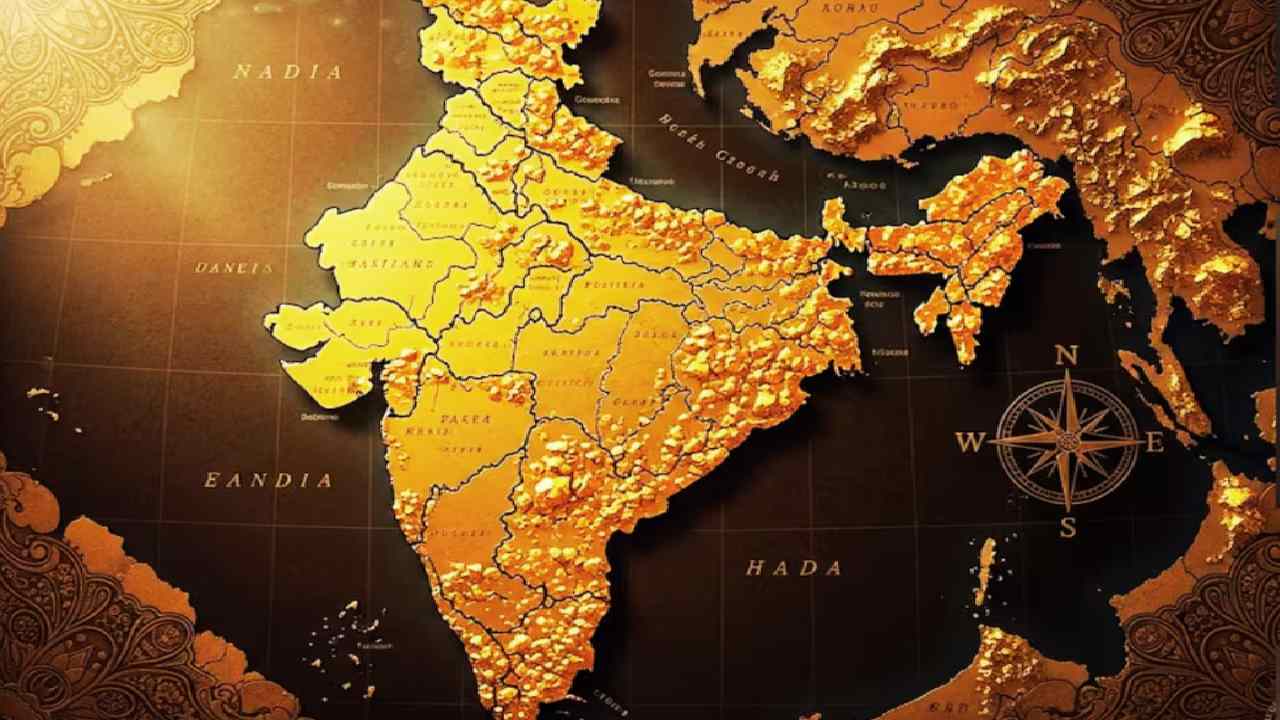
Many people believe that states like Karnataka or Rajasthan have the most gold, but the truth may surprise you. According to data from the Geological Survey of India (GSI), Bihar holds the highest gold reserves in the country. Nearly 44 percent of India’s total gold resources are located in Bihar. This is a shocking fact for many, as Bihar is not commonly linked with gold mining.
Most of these reserves are found in the Jamui district of Bihar. Experts estimate that this area alone contains around 222.8 million tonnes of gold-bearing ore. This amount is higher than the total gold reserves of several small countries. However, large-scale mining has not yet started in this region due to lack of proper infrastructure, technology, and environmental concerns. The central and state governments are still studying how to begin safe mining operations.
When it comes to silver, Rajasthan stands at the top. Around 86 percent of India’s silver reserves come from this state. The famous Zawar mines near Udaipur have been a major source of silver and zinc for centuries. These mines were even used during the Mughal period, showing their long historical importance.
In terms of gold production, Karnataka leads the way. The Hutti Gold Mines in Raichur district are among the few active gold mines in India today. They continue to produce gold regularly. Earlier, the Kolar Gold Fields, also known as KGF, were one of the deepest and most famous gold mines in the world. They supplied gold for over 120 years before closing in 2001 due to reduced reserves.
Other states like Rajasthan and Karnataka also have notable gold deposits, followed by West Bengal and Andhra Pradesh with smaller percentages. The GSI continues to conduct surveys to find new mineral reserves across the country.
In the future, if proper systems are developed, India may reduce its dependence on gold imports. This could also create new jobs and boost the economy. The hidden gold beneath Indian soil may soon change the nation’s mining landscape in a big way.
ALSO READ: YouTube Breakthrough! Now Share Videos Directly on YouTube To Friends
 Share
Share
 YouTube Breakthrough! Now Share Videos Directly on YouTube To Friends
 Limited Offer - Galaxy S25+ 5G Price Slashed! Beats OnePlus 15