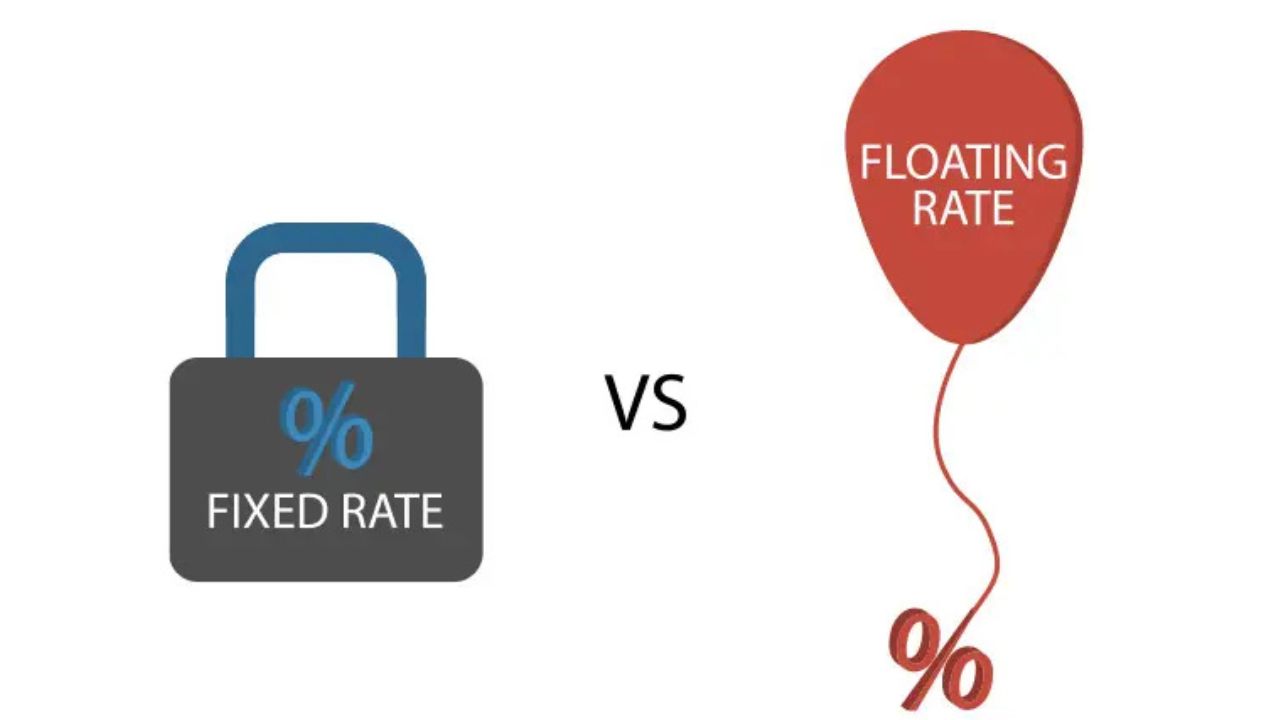


Fixed Vs Floating Home Loan: One of the most crucial decisions first-time homeowners will have to make in 2025 is whether to have a fixed or variable interest rate because the Reserve Bank of India slashed the benchmark short-term lending rate (repo) by 100 basis points, from 6.25 percent to 5.25 percent in the fiscal year 2025–2026. The lowest annual house loan rates in India at the moment are 7.35 percent. Since large banks have not yet passed on the benefits to clients, this is probably going to be further lowered. Experts claim that a consumer might save lakhs over the course of their loan if they are aware of these possibilities.
What are Fixed Interest Rates?
No matter what happens in the market, your EMIs will always be the same because fixed interest rates remain constant for the duration of the loan. Because fixed loans are more stable, lenders currently charge a little bit more for them. Even if the market shifts or the RBI modifies repo rates, your monthly payments won’t change.
What are Floating Interest Rates?
Based on external benchmarks such as the RBI’s repo rate, floating interest rates fluctuate based on the state of the market. These rates fluctuate according to the state of the economy and typically begin lower than fixed rates. You gain from lower EMIs or a shorter loan term when rates decline.
Which is best for first-time Buyers?
According to the finance experts, Fixed interest rates are better for some of them because they know exactly how much they will have to pay each month. Fixed rates provide buyers with consistent monthly earnings with peace of mind. You’ll be able to easily arrange your budget because you’ll know exactly how much you’re paying throughout the duration of the loan. This is particularly effective if you believe that interest rates will rise in the coming years.
Also Read: Who is Geraldine Vishwanathan? Tamil Girl in Thunderbolts
First-time buyers can start with a reduced EMI because floating interest rates often start lower than fixed rates. However, borrowers shouldn’t assume that EMIs will eventually decrease because variable rates are subject to future fluctuations based on market conditions.
What is the Hybrid Option in a Home Loan?
Many lenders also provide hybrid choices. For the first few years (often two to five years), these have fixed rates; after that, they transition to fluctuating rates. This prepares you to benefit from future rate reductions and keeps you stable while you pay off your debt early. Making the proper decision will depend on your long-term financial objectives, your level of risk tolerance, and the stability of your income. Homebuyers should keep in mind that the majority of floating-rate loans have no penalties for early repayment, so you are free to do so if you so want.
 Share
Share
 Karthi–Krithi Shetty Age Gap: Will Their Romance in Vaa Vaathiyaar Impress or Disgust?
 Sara Arjun Shares Heartwarming Instagram Post on Dhurandhar and Ranveer Singh