
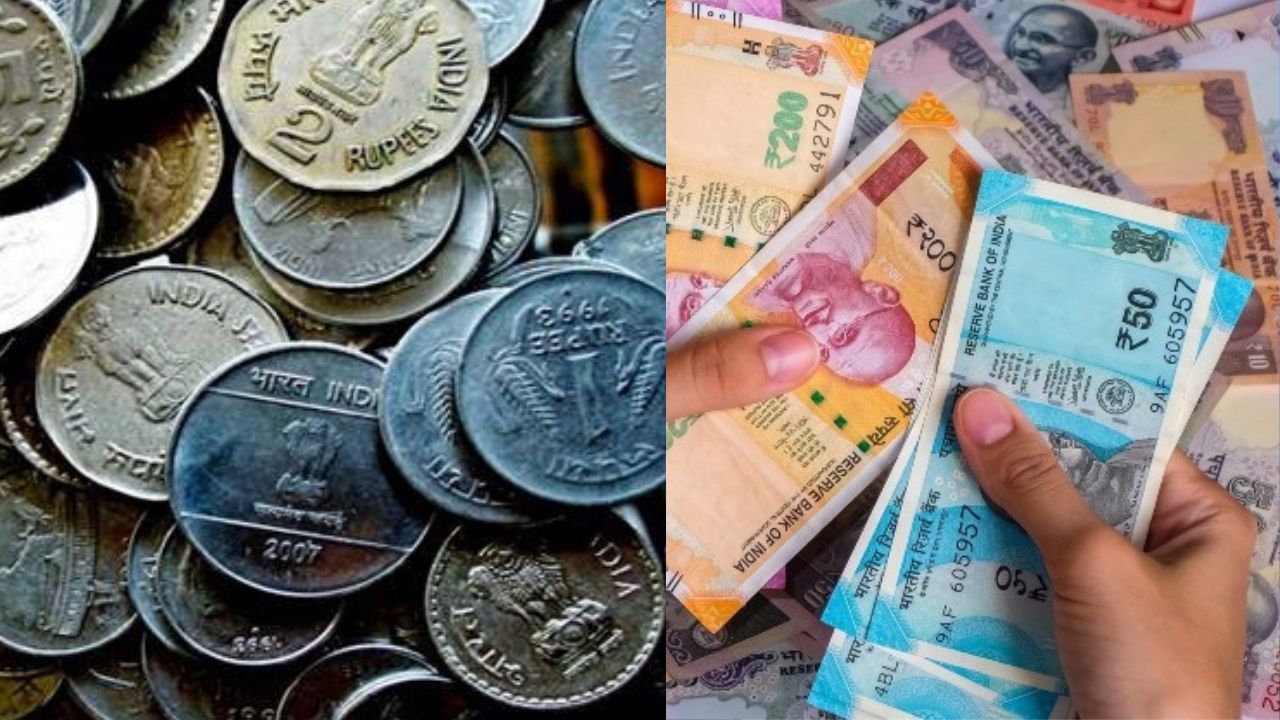


Coin Making Cost: An interesting economic contradiction in India’s currency system is highlighted by the fact that the common one-rupee coin that jangles in our pockets is worth significantly more than its face value. In everyday transactions, it is simple to take the currency for granted, but its manufacturing reveals a different picture.
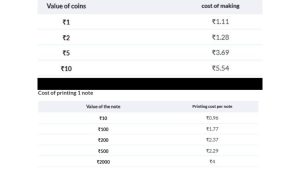
A 2018 study, obtained under the Right to Information Act (RTI), states that the government lost 11 paise per unit, or Rs 1.11, while minting a single one-rupee coin. From then the cost of production has increased even more. As the inflation prices increases the cost of making a coin gets increased over the period of time. As the metal prices and working cost increases the cost of making also increases rapidly.
Coin Making Cost: Profit or Loss
The one-rupee denomination seems to be the only one affected. On the other hand, higher-value coins are still made profitably. According to data:
1. Two-rupee coin: Rs 1.28
2. Five-rupee coin: Rs 3.69
3. Ten-rupee coin: Rs 5.54
All of these coins generate surpluses for the government.
The one-rupee coin is 21.93 millimeters in diameter and weighs 3.76 grams. It is made completely of stainless steel. Its production is restricted to the mints in Hyderabad and Mumbai, and despite its modest size, its design and fabrication require specialist technology. On the other hand, producing paper money is still much less expensive. To illustrate the excessive cost of coinage in relation to its monetary value, the Reserve Bank of India spends only Rs 2,290 to manufacture 1,000 notes of Rs 500 denomination, or Rs 2.29 per note.
Also Read: Top Gold-Producing Nations 2025: India Rank Revealed?
Rapid Growth in Digital Payments:
As people adopt digital payment methods like Google Pay, PhonePe, and UPI, they use coins less frequently. Most people now rely on digital payments, and vendors and businesses use QR-based systems to make purchases easier. The reduced use of coins has simplified the payment process in the market.
While the government currently has no plans to discontinue the one-rupee coin, experts suggest that exploring substitute metals or materials could lower manufacturing costs. Remember the unexpected cost of this tiny but “costly” coin the next time you exchange a one-rupee coin.
 Share
Share
 Top 7 Viral Dishes You Must Try in Hyderabad
 Mohanlal’s Ravanaprabhu Re-Release: Opening Day Box Office Report