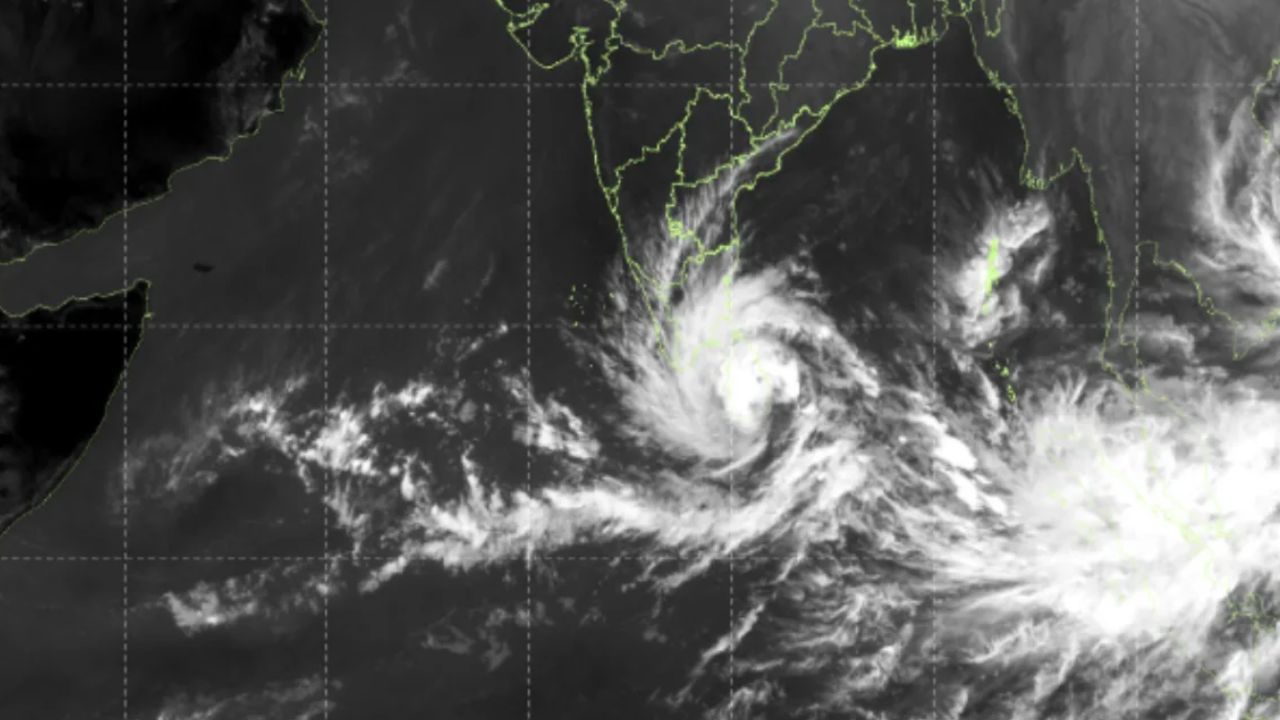


Cyclone Ditwah Update: Born of the Bay of Bengal, the cyclone later crossed Sri Lanka and continued its rampage toward the southeastern Indian coastline. Heavy rainfall, violent winds, and floods went with it into many territories. Reports of widespread devastation were carried from Sri Lanka, including flooded houses, landslide removals, and the dispossession of entire families. Some lives were also taken or disappeared, with countless properties totally destroyed but scores more people displaced from their now destroyed homes.
Post-crossing movements were north-northwestward along the coastal line of southern India, including Tamil Nadu, Puducherry, and parts of Andhra Pradesh, after which Ditwah re-entered the sea and proceeded. Heavy to very heavy rainfall with gusty winds and high seas will affect many coastal districts, as forecasted by meteorology and not just that. Most highly depressed in their capacity for levee-breaking would be low-lying regions, even coastal fishing communities, and deltas. According to local authorities, the population must be cautious, refrain from unneeded trips, and keep away from sea fronts until the storm subsides.
A cyclone response-cum-preparation for the challenge of an unknown weather pattern in the next 24 to 48 hours. This is why officials are mobilizing disaster-response teams in the vulnerable areas, activating evacuation plans to the most-affected areas, and cancelling all fishing and marine activities. There will be minor delays or cancellations to flights or ferry services emanating from coastal airports and harbors. Residents along the coast were advised to move on towards safe shelters while monitoring advisories that would be specific to their locale, aside from any activities, believed that areas were prone to flooding.
Also Read: Cyclone Ditwah Impact: Chennai Weather Forecast for the Next 7 Days
Cyclone Ditwah demonstrates the frailty of coastal ecosystems and settlements vis-a-vis assaults of destructive atmospheric activity. Heavy, coupled by high tides and winds, might lead to swamping seas and flash floods, wherein lives are endangered and property, including livelihoods — especially on the dependants of fishing or coastal agriculture — is threatened. Stay safe: heed what the officials say, prepare emergency kits and stay off dangerous places until authorities open them.
 Share
Share
 Did Vecna Choose Will for a Reason? Fans Decode a New Theory
 This Week Movie Releases: Which Film Won?