
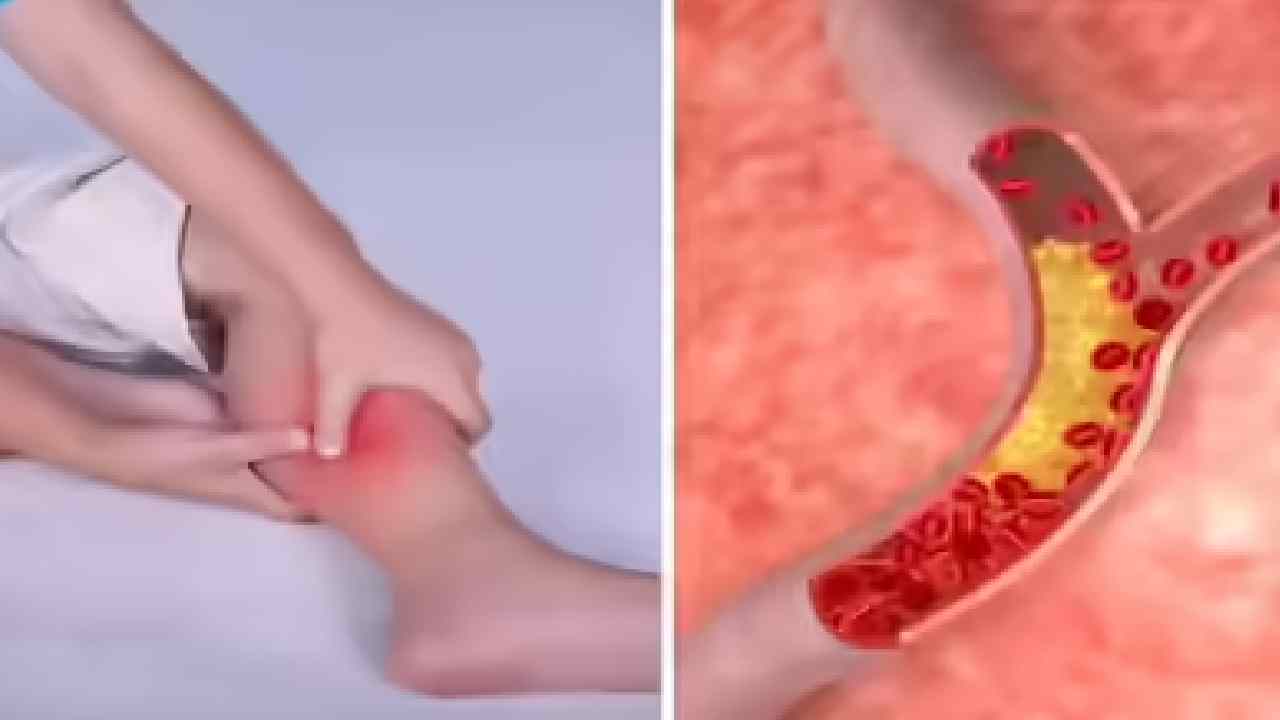


High Cholesterol Symptoms:
High cholesterol is a common health problem today. Many people have it without knowing because it does not always show clear symptoms in the early stages. Cholesterol is a waxy, fat-like substance found in the blood. Our body needs some cholesterol to make cells, hormones, and vitamin D. But when the level becomes too high, it can cause serious health problems, especially heart-related issues.
There are two main types of cholesterol. LDL cholesterol is known as bad cholesterol. When its level increases, it gets deposited in the blood vessels and forms blockages. HDL cholesterol is called good cholesterol because it helps remove extra cholesterol from the body. When bad cholesterol is high and good cholesterol is low, the risk of heart disease and stroke increases.
High cholesterol usually grows silently. However, when the condition becomes serious, the body may start giving warning signals. Some common symptoms include chest pain, pain or numbness in the legs, shortness of breath, dizziness, unusual tiredness, swelling in the body, and changes in heartbeat. Some people may also feel pain in the jaw or at the back of the neck. In rare cases, yellowish patches may appear on the skin around the eyes, elbows, or knees due to fat deposits.
Certain health problems like Type 2 diabetes and obesity increase the risk of high cholesterol. Lifestyle habits such as eating foods rich in trans fats, lack of physical activity, heavy alcohol intake, and smoking also raise cholesterol levels.
The good news is that high cholesterol can be controlled with healthy lifestyle changes. Eating foods rich in soluble fiber like oats, fruits, vegetables, and pulses is helpful. Omega-3 fatty acids found in nuts, seeds, and fish also help reduce bad cholesterol. Regular exercise, maintaining a healthy weight, avoiding processed foods, quitting smoking, and limiting alcohol play an important role in keeping cholesterol under control.
Since high cholesterol does not always show strong symptoms, regular health checkups and blood tests are very important. Early detection can help prevent serious problems like heart attack and stroke. Taking care of your daily habits today can protect your heart for the future.
ALSO READ: IRCTC Important Update on THIS Free Feature in Vande Bharat Trains
 Share
Share
 School Holiday Today on December 11; Here Is What You Should Know
 Free Repair Alert! Google To Replace Faulty Pixel Units For Free