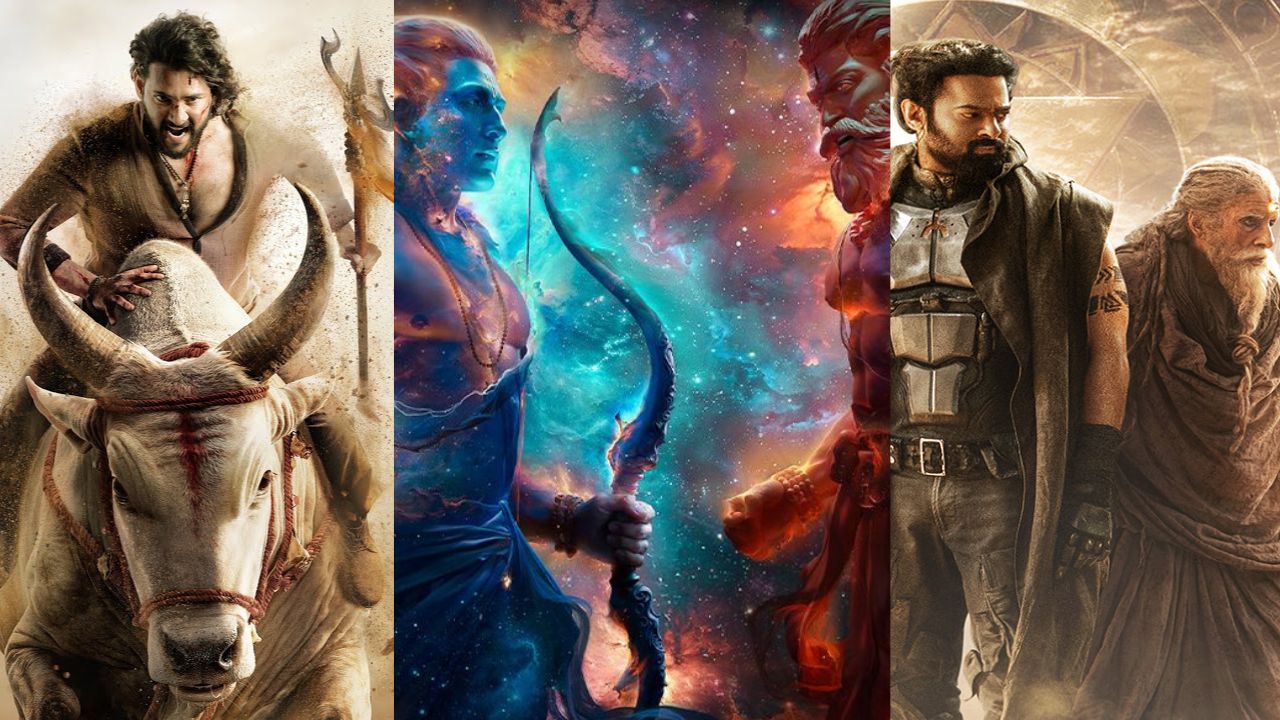


Modern Mythological Movies: Indian cinema has always drawn strength from its vast pool of myths, legends, and ancient texts. But in recent years, this influence has taken on a new dimension. Modern filmmakers are revisiting age-old narratives with contemporary themes, grand visual language, and deeper psychological layers. Films like Varanasi, Kalki, and the upcoming Ramayana are strong examples of how mythology continues to shape today’s cinematic landscape.
Varanasi: Mythology as a Mood, Not Just a Story
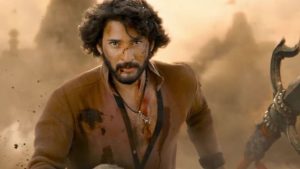
SS Rajamouli’s Varanasi, which introduces Mahesh Babu as Rudra, blends mythological symbolism with modern storytelling. The film does not retell a traditional myth directly; instead, it uses the spiritual weight of Varanasi and the energy of Rudra as cultural metaphors. This approach shows how filmmakers are no longer limited to literal adaptations. Instead, they use mythological elements to create atmosphere, depth, and character identity, giving audiences a familiar yet refreshed narrative experience.
Kalki: Reimagining the Avatar Concept for a New Generation
With Kalki, Indian cinema ventures into a futuristic interpretation of the tenth avatar of Vishnu. Directors today are exploring mythology through speculative fiction, presenting avatars and divine concepts in new, visually ambitious settings. By merging dystopian worlds with spiritual prophecy, films like Kalki appeal to younger audiences who seek both spectacle and philosophical intrigue. The myth is not simply retold—it is reframed for a generation raised on global fantasy cinema.
Also Read: SS Rajamouli Opens Up About His Atheism
Ramayana: Returning to the Roots with Modern Vision
The upcoming Ramayana adaptation represents the opposite trend: a return to the original epic but executed with modern technology, advanced world-building, and global filmmaking aesthetics. This reflects a renewed desire to tell India’s foundational stories on a scale that matches their cultural significance.
Mythology: Still the Soul of Indian Cinema
In all these films, mythology remains more than inspiration; it is a narrative backbone that shapes themes, characters, and cinematic ambition. Whether reimagined or retold, India’s ancient stories continue to guide its most modern films.
 Share
Share
 Tollywood Celebs on Piracy Amid iBomma Ravi Case: Full Deets
 How Did the Hyderabad Umrah Pilgrims’ Bus Catch Fire in Saudi?