
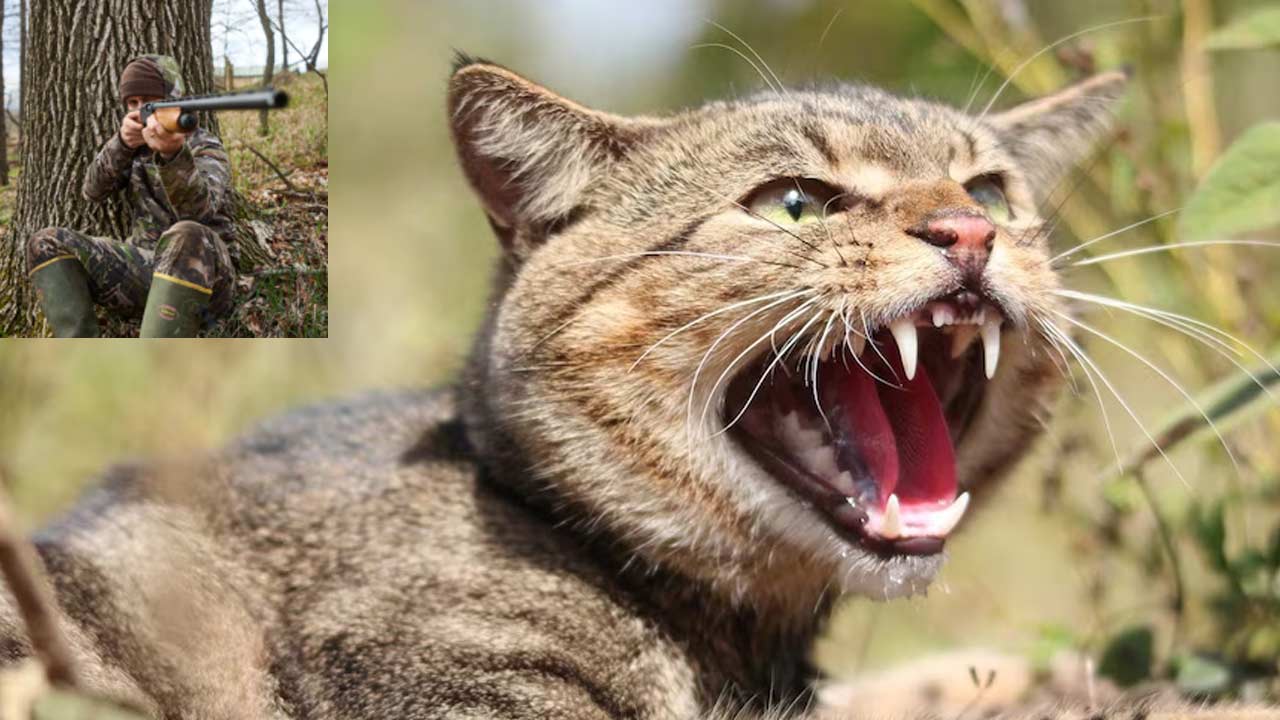


New Zealand is famous for its rich biodiversity, but the country is now struggling with a serious problem. Feral cats have grown rapidly in number and are causing heavy damage to native species. Because of this threat, the government has announced a major plan to remove feral cats completely within the next 25 years.
Conservation Minister Tama Potaka called these cats “stone-cold killers” and confirmed that they will be added to the Predator Free 2050 list. This protects the country’s unique biodiversity.
Feral cats differ from domestic house cats. They avoid all contact with humans completely. These cats hunt far beyond their needs. They have already wiped out several native species. New Zealand’s native cat species have nearly disappeared.
The Minister for Conservation, Tama Potaka, characterised feral cats as “stone-cold killers”, as they have now been added to the list of species targeted under the government’s Predator Free 2050 programme which targets invasive species. Minister Potaka confirmed that domestic cats are safe and will not be eliminated; only wild or feral cats will face elimination under the programme.
Feral cats are responsible for the loss of the southern dotterel bird from Stewart Island, and just recently, they killed over 100 bats in Ohakune. These two examples provide proof of the devastating effect these animals have on native wildlife through their hunting behaviours. Native species are unable to protect themselves from these predators.
New Zealand has a unique climate and biodiversity with a range of species that cannot be found anywhere else on the planet. Because of this, feral cats pose a direct threat to both New Zealand’s natural heritage and conservation efforts; therefore, managing feral cats is critical to the conservation of the native wildlife of New Zealand.
There are approximately 2.5 million feral cats in New Zealand, and they are usually larger than domestic cats. The average weight of a feral cat is 7 kg and they can be found in both the forest and farmed environments.
Feral cats are responsible for the spread of the disease known as Toxoplasmosis to humans; it significantly impacts human health, and it also poses a risk to dairy farm animals. They are a recognised pathogen that can cause significant harm.
The Predator Free 2050 programme works to eliminate feral cats and address the issue of all invasive species nationwide. The planned elimination of feral cats will take 25 years to complete in order to protect New Zealand’s unique natural heritage.
Also Read: Mass Wedding Event Turns Violent In UP Over This Petty Issue
 Share
Share
 Dushara Vijayan to Make Her Mollywood Debut in Kattalan
 Andhra King Taluka 2 Days Box Office Collections: How Much Needed For Breakeven?