
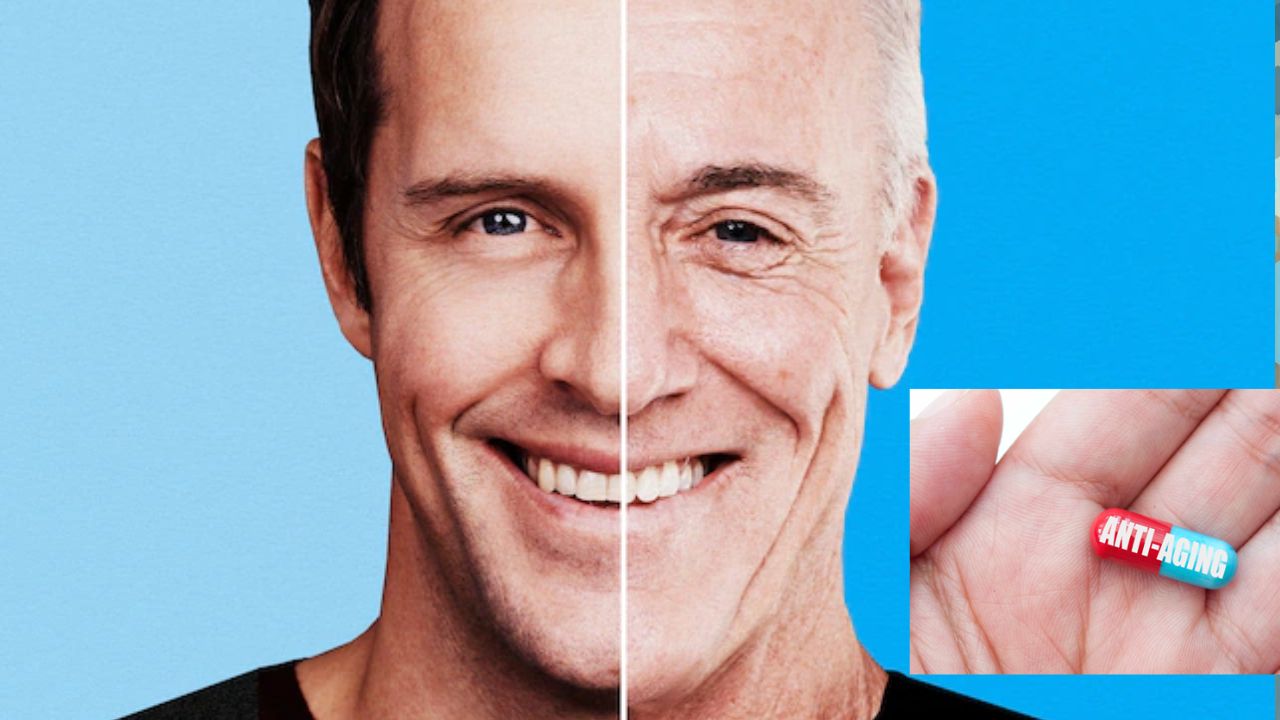


A Chinese biotech company makes a stunning announcement. Lonvi Biosciences claims humans could live 150 years. This statement surprises the global scientific community. Current global life expectancy averages 65-70 years. The claim requires thorough verification.
The pill targets aging at cellular level. It attacks “zombie cells” in our bodies. These cells cause inflammation and aging problems. The drug removes these harmful cells. This process could extend human lifespan significantly.
The pill contains Procyanidin C1 (PCC1). This natural compound comes from grape seeds. It shows remarkable anti-aging properties. The substance clears aging cells effectively. Natural sources make it potentially safer.
Lab tests on mice showed promise. Treated mice lived 9.4% longer. Their remaining lifespan increased by 64%. These results impressed researchers greatly. Human trials must confirm these findings.
The Chief Technology Officer at Lonvi has strong faith in this work. Liu Qinghua states, “150 years is possible.” He expects that we will see real progress in the not-too-distant future. The company is continuing with research in an active fashion, with the goal of changing the way we treat aging.
The average lifespan in China is currently 79 years. This is five years longer than the world average. Government and private investments are steadily increasing. The Chinese public is increasingly interested. Aging research is increasingly entering the mainstream.
Previously in China, aging science was not a particularly important field. Chinese individuals often viewed it as a way for rich Americans to better their lives. Now, increased number of Chinese people want to invest in it personally. This cultural development is surprising. Domestic research in this area is growing quickly.
Scientists recommend caution in reading claims. Studies in mice give only preliminary signals. Human studies will need to confirm safety first. Long-term effects are unknown. This type of validation takes many years.
Human studies will take a number of years. Researchers will need to validate dosage safety, determine side effects, and obtain regulatory approval by testing a number of population. This cannot be rushed.
If the treatment is successful, it will change society in its entirety. Healthcare systems will need to be turned upside down. Ageing could have a significant impact on retirement age. The dynamics of any population would change. Many of the economic models would change.
Scientists explore multiple aging mechanisms. Cellular repair represents one approach. Genetic modifications offer another path. Combination therapies might work best. The field continues evolving rapidly.
Also Read: Indian Student Shocked By Massive Google Cloud Rs1 lakh Billing Error
 Share
Share
 Harvard Study: Sleeping With Lights On May Increase Heart Disease Risk
 Esther Anil Subtly Flexes Her Bond with Mohanlal Through a Screenshot