

Big Bank Merger:
The central government is preparing for another major change in India’s banking system. Under the leadership of Prime Minister Narendra Modi, the NDA government is planning a fresh round of bank mergers. According to early reports, the government wants to reduce the number of public-sector banks to just four national banks in the coming years.
A few years ago, India had 27 public-sector banks. In the first big merger, the government reduced that number to 12. Now, the Finance Ministry is working on a plan to merge these 12 banks into just four strong and large banks. The aim is to make India’s banking system more powerful and capable of meeting global standards. The government wants this new structure to be ready by the 2026–27 financial year.
1. State Bank of India (SBI)
2. Punjab National Bank (PNB)
3. Bank of Baroda (BoB)
4. A new large bank formed by merging Canara Bank and Union Bank, along with other smaller banks.
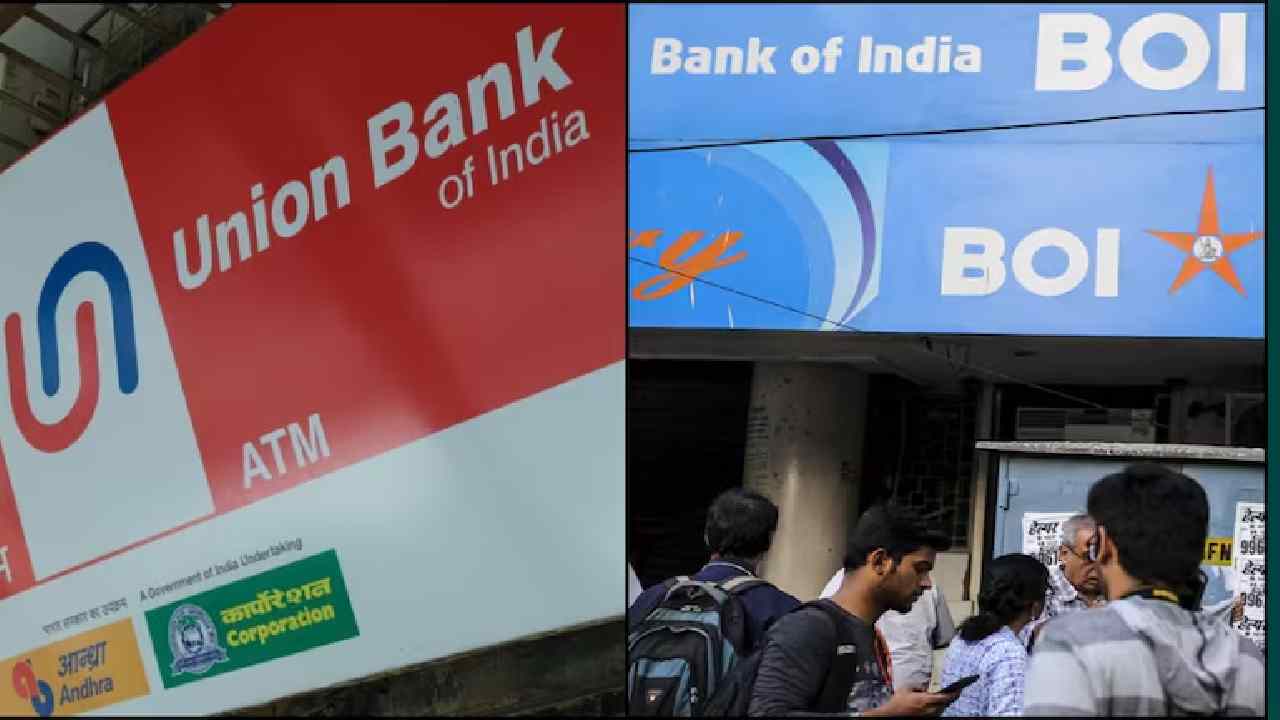
Reports say that smaller banks will first be merged with bigger ones. For example, Indian Bank and UCO Bank may be combined with SBI. Similarly, Indian Overseas Bank, Central Bank of India, Bank of India, and Bank of Maharashtra may be merged to create one strong bank.
The Finance Ministry is currently studying how the merger should be carried out smoothly. Once the plan is ready, it will be sent to the Cabinet for approval. After Cabinet clearance, the file will go to the Prime Minister’s Office. The government is also preparing plans to avoid any issues with SEBI during the merger.
Finance Minister Nirmala Sitharaman recently stated that India needs large, globally competitive banks. Her comments have made discussions around bank mergers even stronger. Many experts believe that a second round of major mergers is now almost certain.
If this plan becomes official, India will soon have a banking system dominated by four major public-sector banks, all stronger and ready to compete at an international level.
ALSO READ: Cyclone Ditwah School Holidays Tommorrow on 4th December
 Share
Share
 Balakrishna Says He Heard ‘Jai Balayya’ When He Was in Mother’s Womb
 Top Camera Phones Under Rs35,000 For Photography Lovers In 2025