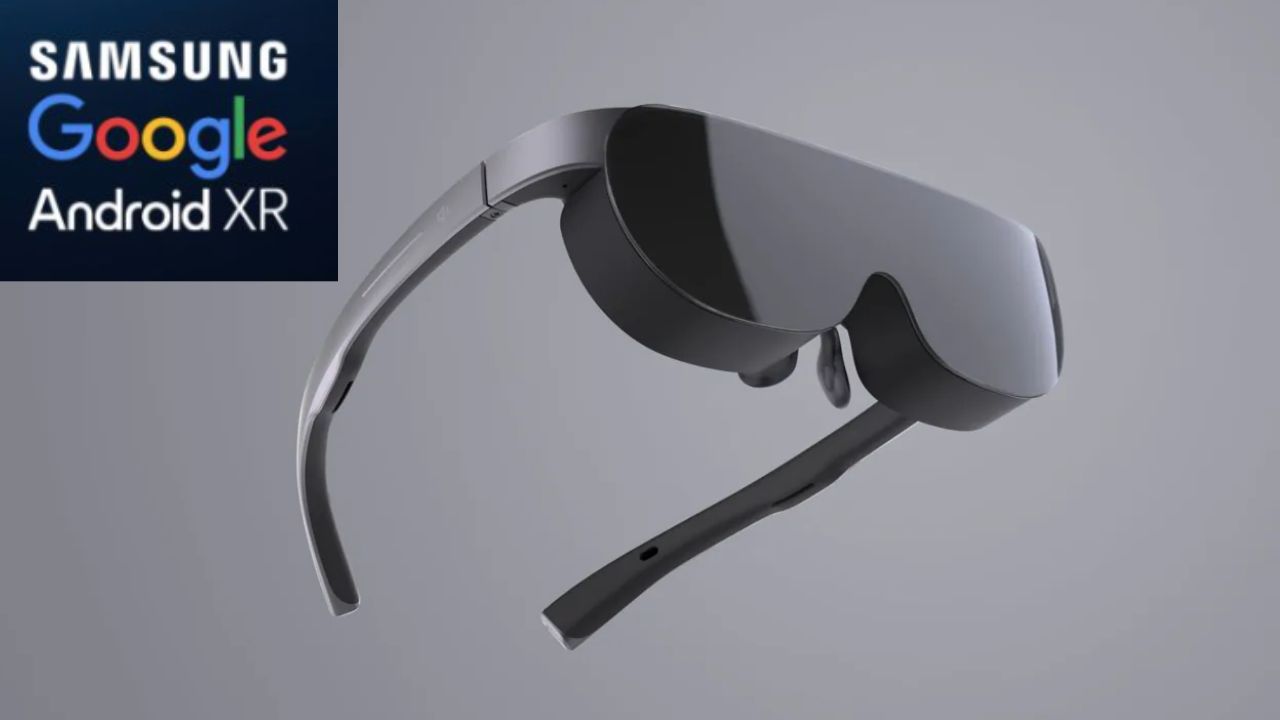


Google is in plans to return to the Wearable Device Market by introducing two AI-based smart glasses next year to compete directly with Meta’s Ray-Ban Meta glasses, which currently lead the AI Wearable category. Google is partnering with Samsung, Gentle Monster and Warby Parker to develop the next generation of AI smart glasses.
To begin its strategy, Google is preparing two smart glass designs with a different focus on audio. Model one will only focus on audio and will come with a voice-activated Gemini Assistant feature. One of the major benefits with the audio-only model is that the user has access to AI-driven assistance without having to look at a screen. This model will be lower in cost and will probably be less complex.
Model Two will have a more advanced display mechanism that will allow users to visually see Navigation and Translations, and also provide visual contextual assistance. Both models will have Android XR Operating Systems.
When Google launched smart glasses, they launched the infamous Google Glass, which ultimately turned out to be a failure due to lack of social acceptance. Sergey Brin (Google Co-Founder) Has commented on Google Glass and the technology was not mature enough at that time and the supply chain was not ready.
The current tech environment is different. AI capabilities have advanced significantly. New manufacturing partnerships improve production. Competition also validates the market now. Google believes its new products can succeed.
Meta currently leads the AI wearable market. Its Ray-Ban glasses are very popular. Companies like Snap and Alibaba are also entering. The competition will drive innovation forward. Consumers will have more choices soon.
Both glasses will use the Android XR platform. This is Google’s OS for mixed reality. It is designed for headsets and wearables. The platform will enable core smart features. It creates a unified developer ecosystem.
Google is not making the glasses alone. It is collaborating with fashion brands. Gentle Monster will handle stylish design elements. Samsung may contribute display or chip technology. This splits development risk and cost.
Success could reshape the wearable market. It would establish Google as a hardware contender. It may accelerate AI integration into daily life. Privacy concerns will need addressing again. The launch timeline is set for next year.
 Share
Share
 School Holiday on December 10 in These Sates
 Psych Siddhartha Reschedules Release to Jan 1, 2026 in Respect to NBK’s Akhanda 2