
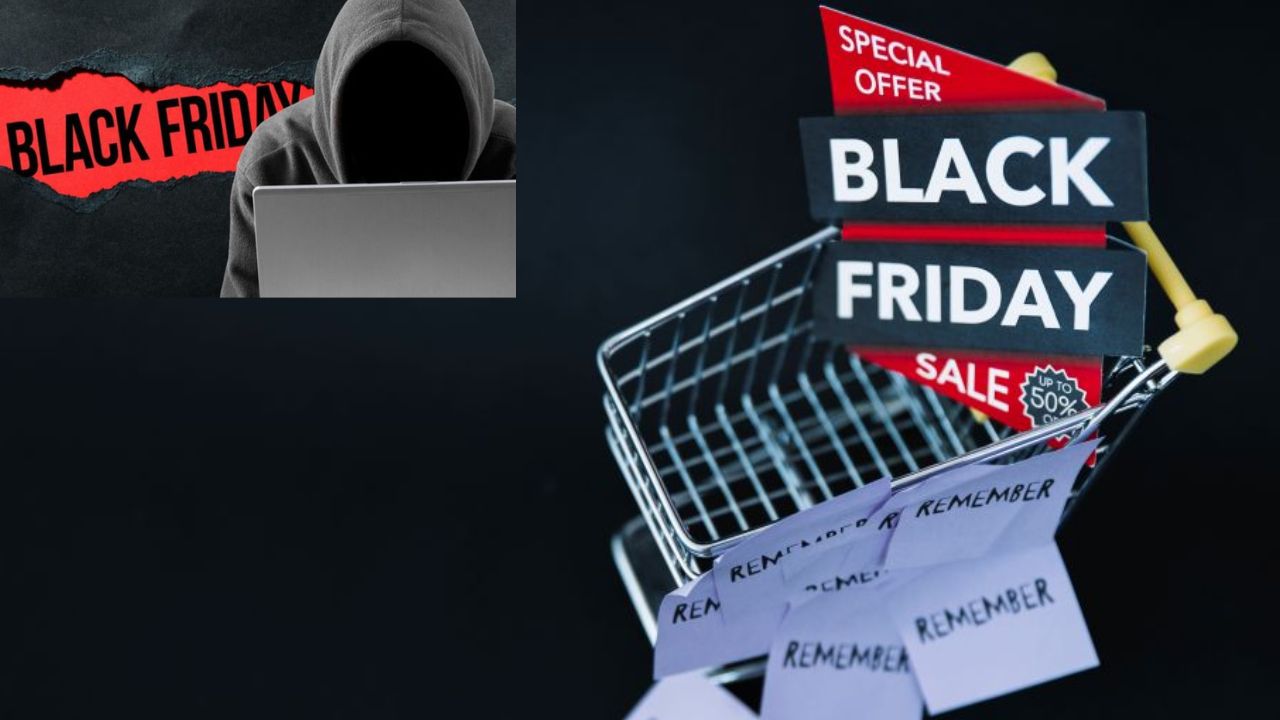


A major cybersecurity threat targets Black Friday shoppers. CloudSEK security researchers made this discovery. They found over two thousand fake shopping websites. These sites impersonate popular brands like Amazon. They also copy Samsung and Apple stores. The criminals designed these sites carefully. They aim to steal your personal information.
Experts call this a massive phishing ecosystem. It is one of the largest recent networks. Cybercriminals operate these fake platforms. They create very convincing copycat websites. Everything looks genuine to shoppers. The sites display festive sale banners. They show countdown clocks for urgency. Fake trust badges appear everywhere.
The scam sites use psychological tricks. They show fake recent purchase pop-ups. This creates false social proof. Customers see messages about other buyers. These lies encourage quick purchases. Shoppers bypass normal caution this way. They proceed directly to payment pages.
The companies involved create fake transactions by allowing customers to select their items first, then enter their shipping address, and then give their payment information. At that time, they will also take the customer’s credit card information, which is taken from the data captured in the fraud process. Shoppers are then sent to a fake payment portal so the transaction can be completed.
Once customers finish paying for their purchase, they assume that has finalized their order and the funds will go to them. However, the money actually goes to the hacker, and the scammer has access to the money immediately. For that reason, the victim does not receive anything from the sale, and their personal financial data has also been compromised during the fraud.
You should always avoid clicking on ads on social media, as they can often lead you to scam sites. Instead, go to the official website of the company and type in the web address, making sure that it is safe.
Always verify the website address by checking the spelling of the URL, as scammers typically create sites with very slightly different website addresses. Legitimate companies will always have their website spelled correctly.
When you get to the checkout page, check where you are redirected. If you have been redirected to an unusual, or what appears to be a fraudulent domain, you may be a victim of fraud. Leave immediately if this happens. Your bank details are at risk.
Also Read: The Hidden Danger: Your Wi-Fi Router Could Be Spying on You
 Share
Share
 Coffee vs Tea In Winter: Which Actually Warms the Body Better?
 Top 5 Forest Homestays For Peaceful New Year 2026: Escape Into Nature’s Lap