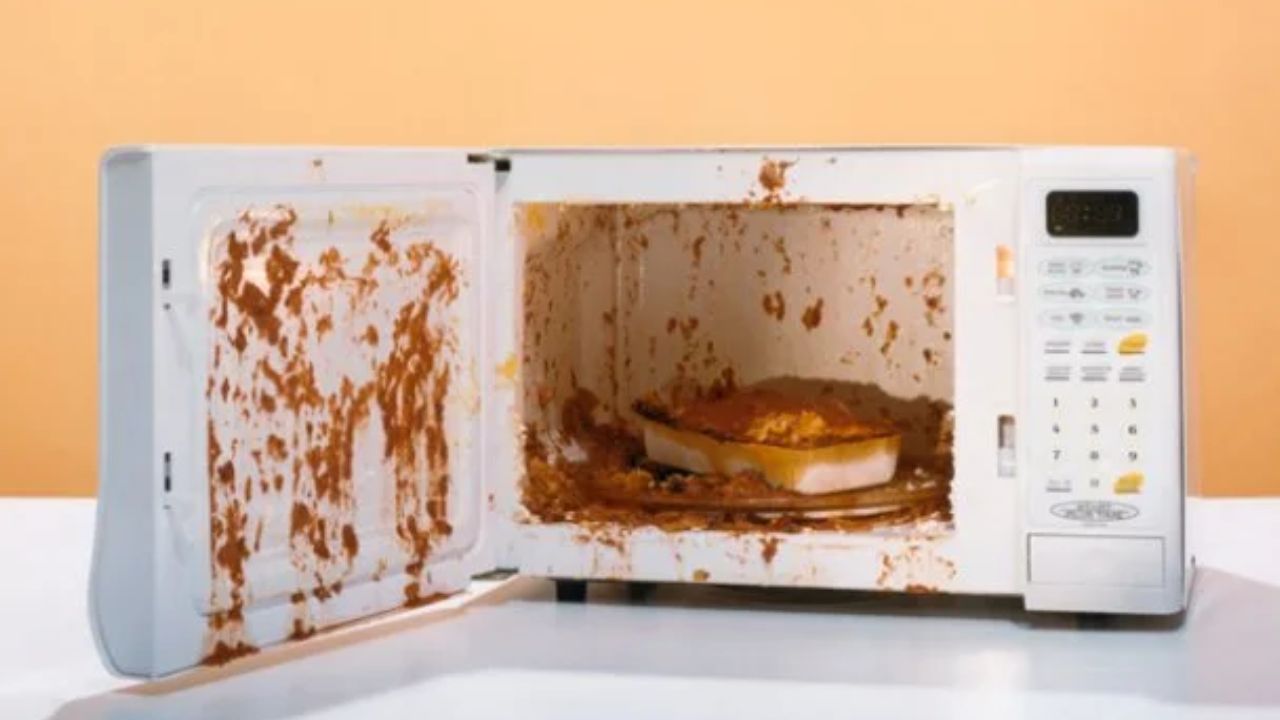


Metal objects cause serious problems in microwaves. Avoid using foil paper or steel utensils. Do not put forks or spoons inside. These items create dangerous sparks. This process is called arcing. It can start a fire inside your appliance.
Never microwave a whole raw egg. Steam builds up inside the shell. The pressure has no way to escape. The egg will explode loudly. It makes a huge mess inside. Always crack the egg first. Place it in a microwave-safe bowl.
Do not heat tightly sealed containers. Trapped steam creates immense pressure. This pressure can blow the lid off. It might even shatter the container. Always loosen the lid slightly first. Use vented lids designed for microwaves.
Heating spicy peppers is very risky. Their chemicals vaporize in the microwave. These fumes irritate your eyes and throat. They can cause a burning sensation. Pepper seeds can also smoke and burn. It is safer to cook them on a stove.
Low-quality plastic containers can melt. They release harmful chemicals into your food. Always check for a microwave-safe symbol. Use BPA-free plastic containers only. Glass or ceramic dishes are much safer choices. A microwave has become an essential appliance in almost every kitchen today. People use it to heat food quickly or prepare simple meals within minutes. However, many users do not realise that placing certain items inside a microwave can be extremely dangerous. Wrong items can create sparks, cause explosions or even start a fire. You must understand which things pose the biggest risks.
Never place any metal object inside a microwave. Items like aluminium foil, steel plates, metal spoons or forks create electrical arcing. This arcing produces bright sparks that can burn internal parts of the microwave. In severe cases, these sparks can start a fire. Always use microwave-safe glass or microwave-safe plastic instead of metal utensils.
Putting a raw egg with its shell inside a microwave is extremely unsafe. The heat creates steam inside the egg, and pressure increases rapidly. The egg eventually bursts with a loud explosion and spreads hot liquid everywhere. This explosion can damage the microwave interior and create a safety hazard. Always crack the egg or beat it before microwaving.
Containers with a tight seal, like glass or plastic containers, trap steam when heated due to restricted airflow. Eventually, the steam pressure builds up to a point where the lid suddenly pops off of the container, or the container bursts open, resulting in a spillage of hot food; opening the container exposes the individual to the potential of being burned. Before using a sealed container to heat food, it is a good idea to loosen the lid (approximately a quarter turn) or to use a vented cover that is intended to be used in microwaves.
Chilies, green chilies (fresh), and/or spicy foods can be problematic. When heated, they generate a significant amount of vapours that contain the molecules causing irritation and chemical burns (SPRIT) to your skin, nose and eyes when opening the door. There have also been instances of burning chili seeds and/or producing smoke from them; it is recommended to always cook hot peppers and drive spicy foods on the stovetop due to their unique properties and potential irritants.
Affordable plastic containers can be too weak for microwave use. They can melt when exposed to heat from the microwave. When the plastic melts, it releases toxic chemicals into food. The presence of those chemicals can adversely affect the health of an individual consuming that food, and potentially damaging to the microwave tray as well. Always use BPA-Free, microwave-safe plastics that will be able to withstand the temperature of microwave ovens, ultimately protecting against chemical contamination.
A microwave is safe when you use it correctly. Always check if the container or utensil is marked microwave-safe. Avoid sealed items, metal objects and sensitive foods. Simple precautions protect your microwave and keep your kitchen safe.
Also Read: Sent an Email to the Wrong Person? Don’t Worry – Here’s How to Undo It
 Share
Share
 Adobe Brings Free Online Photoshop for One Year
 School Holiday Today: Check Which States Have Declared Closure