
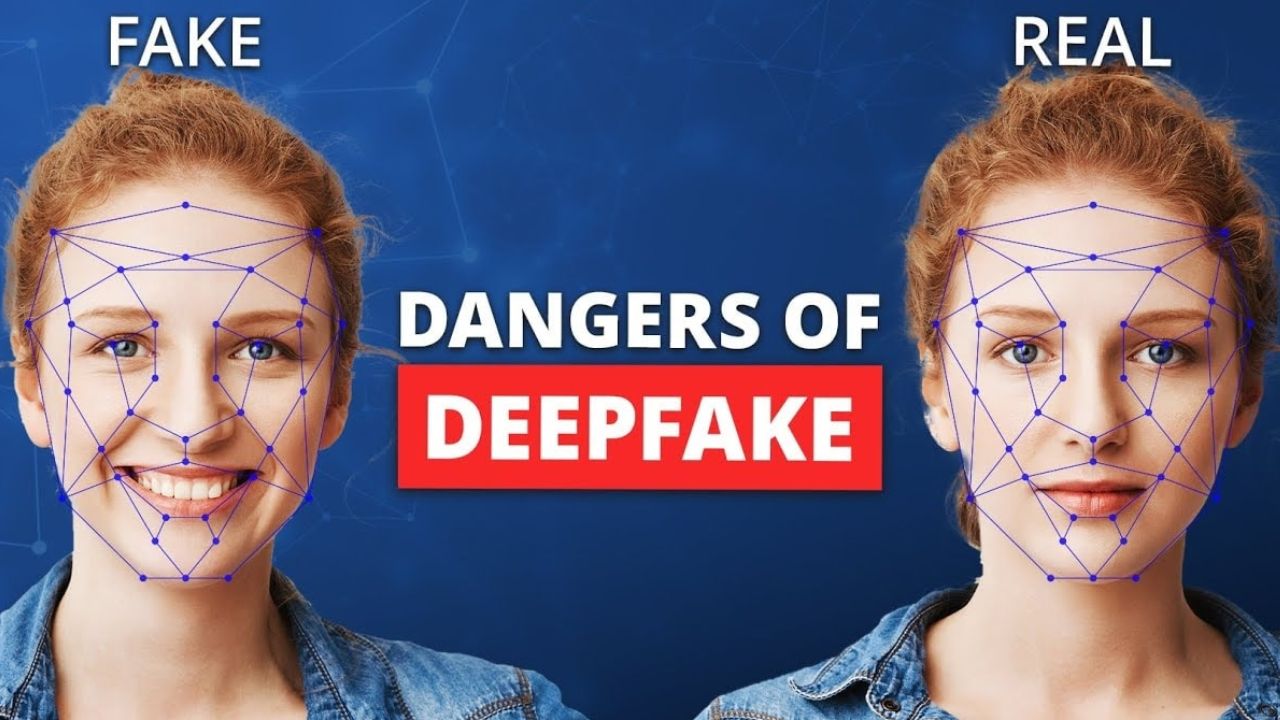


Social media is full of viral videos every day. Can you believe what you’re seeing? AI technology can create realistic deep fakes. These fake videos can fool anyone. Learn these easy tricks to spot them. Protect yourself from being where you’re not on the web.
Look closely at the person’s face. Do the facial expressions seem off? Pay attention to the lip movement. The person’s lips may not be in sync with the words they are saying. Also, the eye movements may also seem weird. Real human faces have sweat when they exhibit micro-expressions. Computers can stunt this process well but often can’t do it perfectly.
Pay attention to the light hitting the person’s face. Does the light come from the same source as the background? Look for shadows and notice when you see that the shadow on their face doesn’t match the shadow in the background. Light and shadow on someone’s face should be somewhat consistent. Back ground light the lighting in fake videos won’t be so consistent. This is such a common fail in deep fakes.
Pause the video on a stopped image. Look for any blurriness around facial features or hair. Check the boundary between the face and neck. You may see the presence of an obvious “glitch” line. Examine the background that might also look warped or distorted. Natural videos keep their clarity when they are paused.
Pay attention to the voice. Does it sound robotic or monotone? What is the quality of any background noise? Is it unnaturally clear or mismatched? Natural voices have emotion and change with tones. Audio generated by artificial intelligence lacks that humanistic quality.
For images, you can use tools like Google Lens. The InVID tool is great for verifying videos, as it identifies and matches video frames to an original source. At this time, many websites exist for the purpose of AI detection, and they are now focused on identifying deepfake content.
Determine who created the video, and when the poster shared it. Search for angles or footage from the same event. Look for legitimate news channels that have reported. Be cautious of videos with emotional claims, or shocking scenes. Often times disinformation or fake videos circulate during the preparation for a serious or sensitive moment. Preparation for media that will eventually be or is recirculating requires verification with real reporting and evidence of that information or claim.
Deepfake technology will keep improving. Your critical thinking is the best defense. Always question viral content first. Do not share videos without verification. Teach these methods to friends and family. Stay safe in the digital world.
Also Read: How to Find Saved Wi-Fi Passwords on Windows and Mac
 Share
Share
 Top 5 Reasons To Watch Dulquer Salmaan’s Kaantha in Theatres
 Nagarjuna Says "Naga Chaitanya and Akhil Lack Guts To Remake His Cult Film"