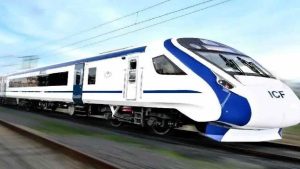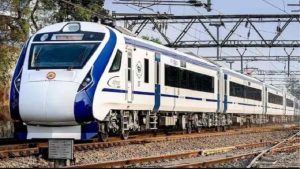
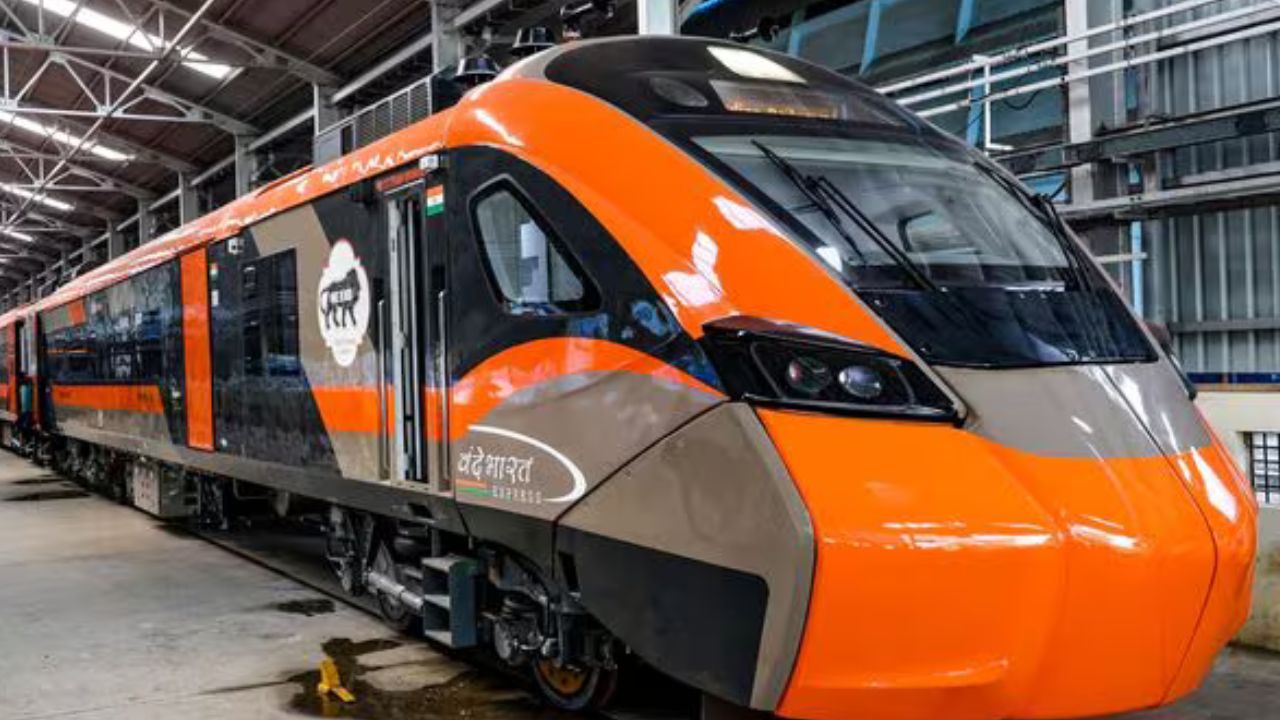


Vande Bharat Sleeper Train: A new age of long-distance travel is about to begin for Indian railroad passengers. India’s first Vande Bharat Sleeper train will now combine Tejas-like speed, Rajdhani-like comfort, and Vande Bharat’s cutting-edge technology into a single train on the Delhi-Patna line.
With the anticipated launch of India’s first Vande Bharat sleeper train between Patna and Delhi by the end of December, the weariness associated with nighttime travel will soon be a thing of the past. Passengers are looking forward to this momentous launch, and the railways are in the latter phases of preparation.
Vande Bharat Sleeper Train Route Details:
One of the two rakes of the Vande Bharat sleeper being constructed at the Bengaluru-based BEML, Bharat Earth Movers Limited, factory has reportedly already been finished, according to a report published in Hindustan. On December 12, the first rake will depart for Northern Railway, where it will be tested on the Delhi-Patna route.
16 coaches totaling 827 berths, 611 in third AC, 188 in second AC, and 24 in first AC, will make up the high-tech train. VB sleeper train is proposed to be operated on the lines of the New Delhi Rajendra Nagar Tejas Rajdhani Express. It will probably operate six days a week. The train will leave Patna’s Rajendra Nagar Terminal in the evening and arrive in Delhi the next morning. The Tejas Rajdhani’s return timetable will be comparable.
Also Read: Top 5 Richest Airlines in India 2025: Who Leads the Market Cap Race?
The Danapur division has also verified that plans are in place to start the VB sleeper train’s regular operations by the end of this month. It is anticipated to greatly improve passengers’ travel experiences on the Patna-Delhi route once it is implemented.
Modern Facilities with Special Features:
Modern amenities were a major consideration in the design of the VB sleeper train. It will have CCTV cameras, personal reading lights, bio toilets, automated doors, and luxurious, cozy furnishings. The train has a crash-resistant frame and cutting-edge safety features like the Kavach system, and it can travel up to 160 kilometers per hour. The number of coaches can be raised to 24 if necessary.
 Share
Share
 Kingdom Sequel Cancelled: Another Blow to Vijay Deverakonda
 Your Windows PC Has a Hidden Antivirus Tool For Free - Here's How to Use It